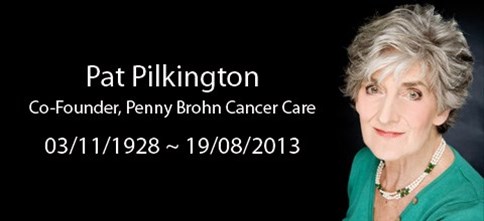
Pat Pilkington’s Memorial Service

What a privilege to have known Pat Pilkington.  We first met at Parliament at the launch of Penny Brohn Cancer Care’s national Living Well program.  There were many people at the event, from the Cancer Centre, other charities, the NHS, Government, celebrity and others, like me.  Pat made an impression not only because she looked amazing, as I later learnt she always did, but she spoke so warmly to everyone.

I returned to the Penny Brohn Cancer Centre for a Living Well retreat.  Pat, voluntarily, spent an evening with clients as part of the longer retreats and I once again was blessed to be in her company.  My retreat group sat comfortably in a lounge and listened, captivated by her stories.  She told us about the beginnings of the Centre, the inspiration, passion and belief.  Stories of her friendship with Penny Brohn.  Her love for her husband, Christopher and how she missed him since his passing.  Of her spirituality and beliefs.  She asked questions of us and listened to our answers.  She embraced all of us, our loves, lives and concerns.  Pat gave each of us her email address and invited us to correspond with her.  After a warm hug for all who wanted it, we headed up to our beds feeling an incredible sense of support, love and overwhelming admiration.

GetImage.aspxIMG_4146

Today was Pat Pilkington’s Memorial Service in Bristol.  She passed away in August after being diagnosed with terminal cancer a few months ago.  I felt strongly that I’d like to attend to pay my respects to an incredible and inspirational lady who made a great impression upon me.  What a beautiful service, well planned with well chosen readings, music and words – wonderfully uplifting and which I felt reflected Pat perfectly.

Pat leaves a legacy of warmth and care within the Penny Brohn Cancer Centre that I’m sure will continue to be felt by clients attending the Centre.

Pat has now joined her husband Christopher, the love of her life.

Grand Opera Gala

The Royal Philharmonic Orchestra have done it again.  An incredible programme of opera classics performed with such panache and professionalism.

IMG_4120This afternoon’s concert took place at the Royal Albert Hall to what appeared to be a ‘sold-out’ auditorium.  You could hear a pin drop for some of the pieces and at other times see a sea of tapping fingers and toes from an audience drawn in by the spectacle on stage.  Such a well chosen selection of operatic greats.  An appeal to a ‘newbie’ opera experimentalist and also an opera aficionado alike.

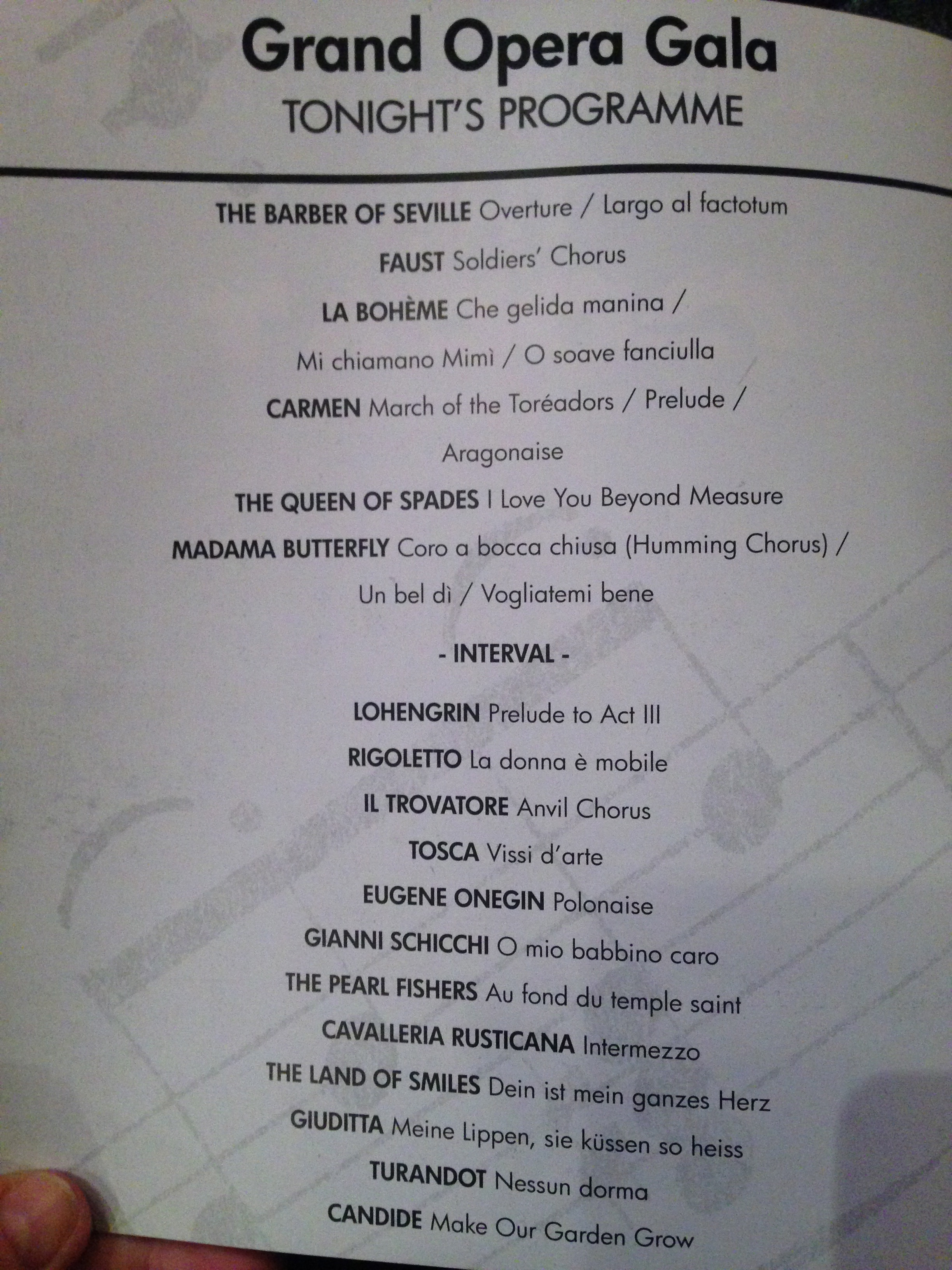
IMG_4122 Opening with a well known piece from Barber of Seville to the slightly less well known The Pearl Fishers.

The short stories of passion, love and heartbreak  told so beautifully by Rossini, Puccini, Verdi and Bizet.

The opera singers were mesmeric and held the audience with their every note.  The Choir were also spendid – I’d love to be able to sing like that.  The fabulous Philharmonic orchestra once again excelled with every accent on every note.

Thank you all for a truly wonderful afternoon performance.

Royal Philharmonic Orchestra
Renato Balsodonna – Conductor
Hye-Youn Lee – Soprano
Gardar Thor Cortes – Tenor
Stephen Gadd – Baritone
Barts Choir

Makeup Lesson and afternoon tea

I think when we get to a certain age we feel that we know how to make up our own faces.  I wonder how many times we’ve looked into a mirror and tweaked, patted, brushed, smoothed and highlighted our faces.  All aiming for symmetry on both sides, to hide blemishes and enhance our ‘natural’ features.  Perhaps to achieve a natural look.  Create smokey eyes.  Or to gloss luscious lips with a favourite nude or a naughty red.

How many days/nights do we ‘dress’ our faces?  How many days/nights do we think that we’ve created a masterpiece?  Probably, I suspect, slightly less often than we’ve wondered how we could improve upon what we’re doing.

However, I’ve now reached 46 years of age without any lessons.  Without truly knowing if the colours I use are right for my skintone.  Without knowing the art of smokey eyes or the perfect brow.  Could I improve what I’m doing?

Issy had on her List for Life that she would like to have a lesson with Ariane Poole.  Kelly spotted it after our trip to Verona and said she had intended to take her Mum to Ariane  but hadn’t managed to book a date.  Surely a no-brainer then that we should all go together for a group lesson?  So the date was checked with all to make sure we were free and able to do it.  Sadly however Issy wasn’t well enough this morning to join us.

Ariane Poole Anna 261013


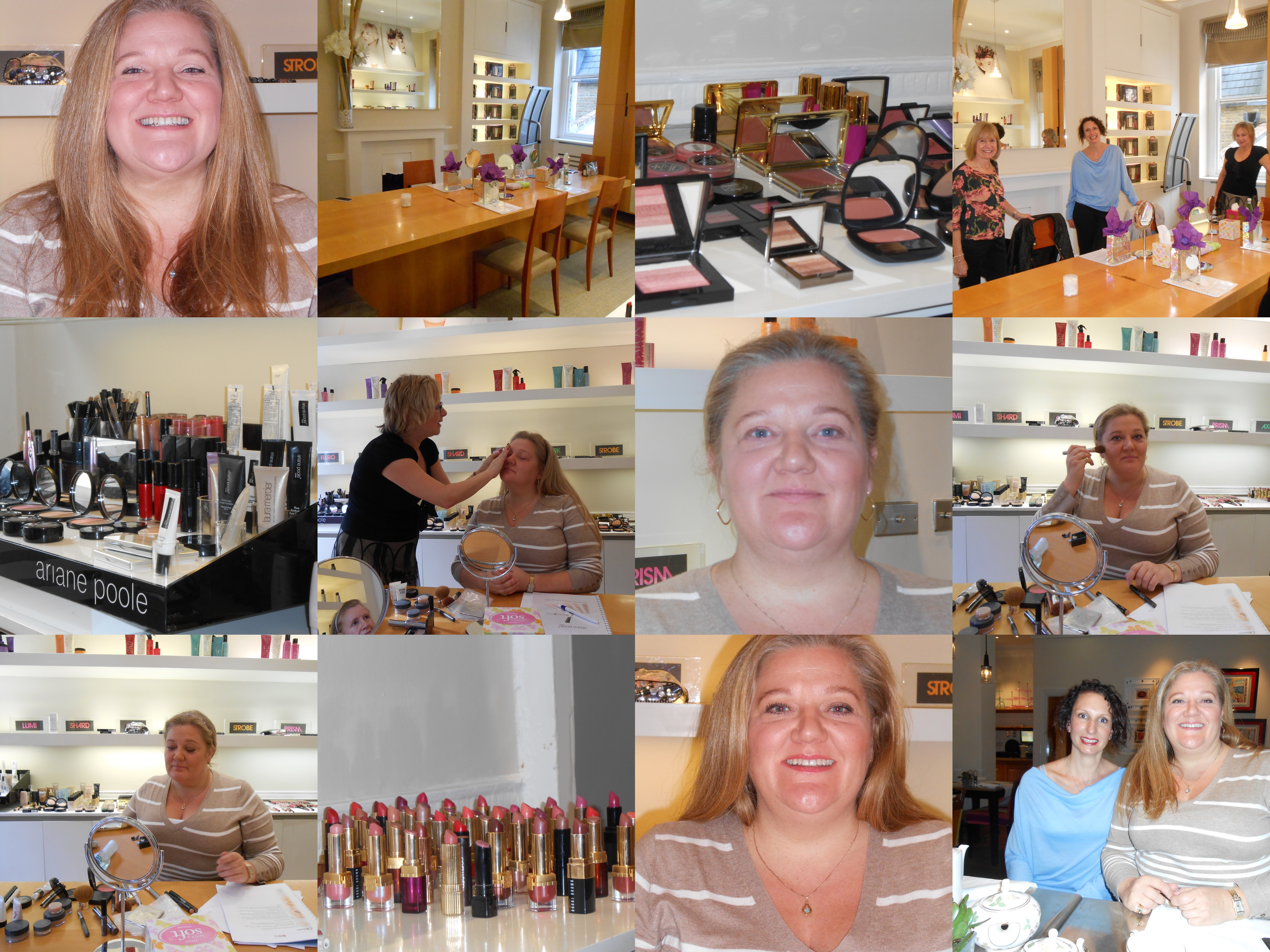
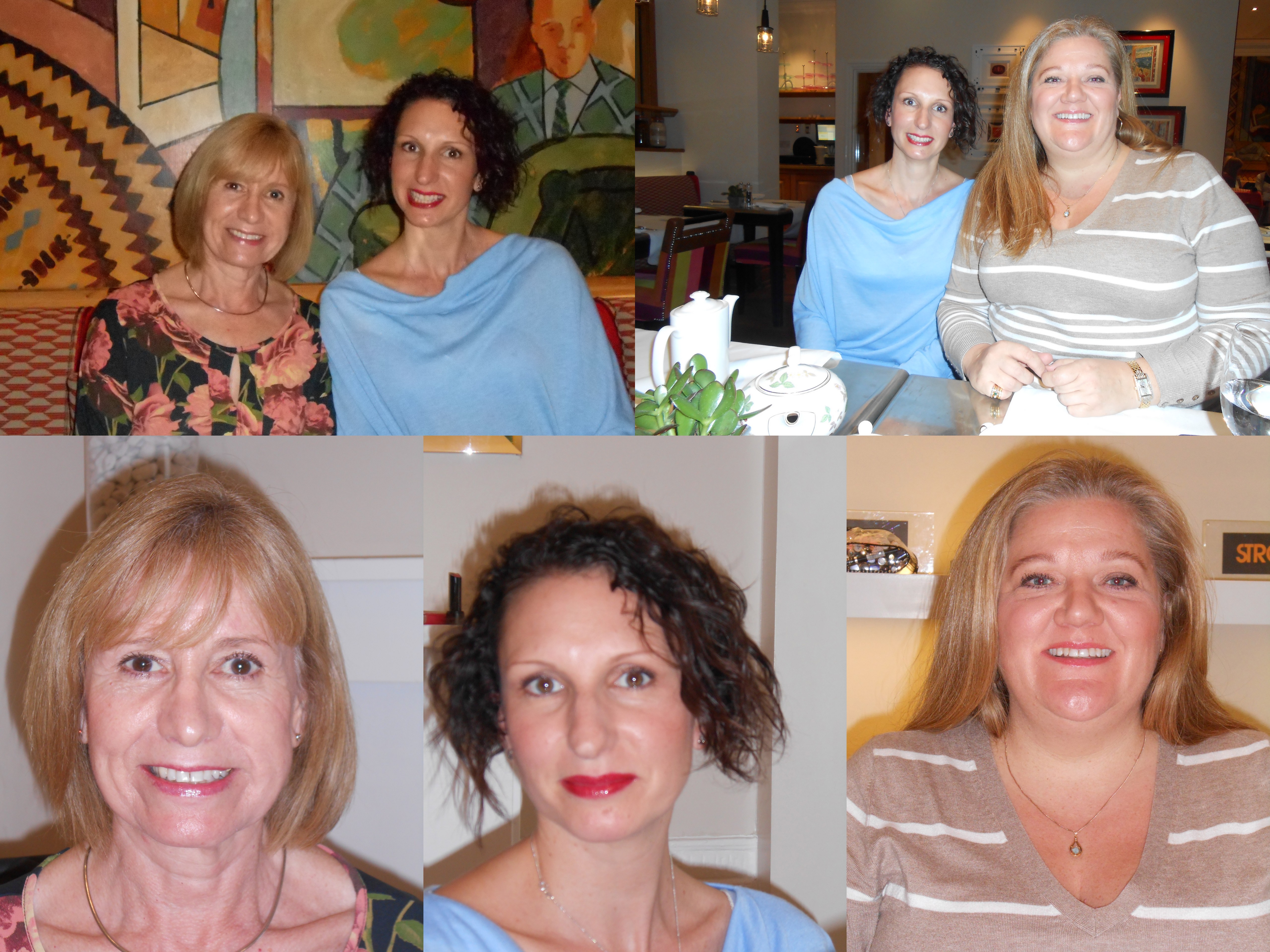
My before, during and after photos!

Ariane Poole Aftershots 2013And all of us after our lesson.


What a wonderful experience.  Ariane shared tips and tricks.  I finally now understand why I should be wearing primer!  She showed me how to create shape with my eyebrows.  We played with different tones and colours and found that I’m more suited to pinks than reds!  I learnt how to adapt a daytime look to an evening look.  I know.. so girly!

Seriously I can’t recommend it enough.  I certainly have become set in my ways and now know (and could see the proof) of how I can simply improve my technique, get a better, brighter finish and enhance my, errr, better features.  I’d also happily recommend you to Ariane for a lesson.  She made time with each of us to ensure that we had personal attention.  She also took the time to look through our existing makeup regimen and products and then to advise what to keep and what could be improved.  The products that she used were from her own range but also from Estee Lauder, Bobbi Brown, Benefit, Laura Mercier, Charlotte Tilbury, Mac etc.  How often have we been at the cosmetics counter and the sales assistant is only interested in selling you their products rather than the best for your skintype?

images-9

Following our makeup lesson we headed to Charlotte Street Hotel for a spot of afternoon tea.  Well you wouldn’t have expected us just to go home when we’re looking so damn foxy, would you?

Together Against Cancer – Conference 2013 – Queen Mary University of London

I received a very last minute invitation on Thursday night to attend, as their guest, the Together Against Cancer Conference.

IMG_4115

A quick glance through the programme led me to believe that the content may be more ‘alternative’ than ‘complementary’ to cancer treatment but I wanted to understand a little more.

You will know from this blog that personally I do not believe in ‘alternative’ therapies.  I have grave concerns about many of those ‘on offer’ taking advantage of people at their lowest ebb and indeed benefiting financially from this advantage. Yes, of course, there are miracle cures that we read about. However there appears to be little statistical evidence or sufficient follow up reports that would prove a long term benefit or meet clinical trial standards. As I say, that is my personal view and personal choice.  I’m also very aware that a cancer journey is a personal one and decisions must be made by the individual – but that decision should be ‘informed’.

I do believe and advocate, complementary treatments and therapies that work alongside and in conjunction with medical treatments and also in discussion with the patient’s medical team. I also believe that many people don’t think about complementary therapies or perhaps don’t know what is on offer or worry that their medical teams may not ‘approve’. More needs to be done to advocate for governed complementary therapies to be widely available, accessible and regulated in the UK.

I’m hoping my first impressions of the conference being all about ‘alternative’ therapies is wrong.. but here goes.

Please note that throughout this feedback I have para-phrased each speaker’s presentation using notes taken at the conference. Any of my own comments are in green italic.

~~~~~~~~~~~~

Registration/Morning Coffee Together Against Cancer
Meeting and greeting with others. Always an interesting discussion to find out why people attend these conferences and what they want to obtain.  I spoke to a couple of people who were hear to find out more about alternative routes having decided not to follow conventional medical treatment for their cancer.

~~~~~~~~~~~~

The introduction and welcome was from Larry Mackay, Chairman of Together Against Cancer.

This is the 1st annual health conference in the UK and is a new venture for them. The conference participation isn’t full however it’s the first year and it is hoped that this will change to become a much bigger conference than this inaugural one. Larry pointed out that in the UK, people wait to get ill before attending a health conference!

He hopes that the attendees are there to see how to change and improve their own health. I’m wondering however the percentage of attendees who are here for themselves or represent organisations or who have been invited, like me.

He told a story about why he set up Together Against Cancer. Spurred on by the death of a close family friend, he sought answers. His journey has taken him around the world, met with an incredible amount of people, researched many therapies, heard about lots of programs and a better understanding of what people are searching for.

5 yrs ago he came to the UK and heard about some of the UK programs on offer. Through Together Against Cancer they are supporting many of these programs (see brief list at bottom of this blog entry).

~~~~~~~~~~~~

Gerson Therapy: Beata Bishop
Beata Bishop from the Gerson Support Group talks about the Gerson Therapy and her own remarkable healing journey.

Small news item said “30% of all children up to age of 15 who present at A&E diagnosed with cancer”… 10 yrs since we allowed our children to have electronic devices on their person and use them day and night. Is this a coincidence?

We hear constantly about statistics that say 1 in 2 people etc. We accept it . We don’t ask ‘Why?’. We are causing it ourselves. Because of technology we have completely forgotten that we are part of nature. We live as if we weren’t. Look at our lifestyle, our nutrition, the stress – all these things contribute to undermining us as an organism.

Unless we stop this symptomatic treatment – general stuff that we put into public opinion – and look at how we can revert to some sort of natural life we will not be able to fight cancer successfully.

Real subject – Gerson Therapy.
I am not saying this is the only valued and successful alternative therapy for cancer. I don’t believe that there is just one solution. But I do believe that this particular therapy which is a complete system I know intimately. Please accept this as a presentation of my personal experience and working with others. I want to present simply and clearly as possible.

Diagnosed in 1979 with a small mole, accidentally discovered. Diagnosed with malignant melanoma. Stage 4. Extensive surgery to remove. Afterwards just follow ups 4-5 weeks for checkups. “Go home and resume your life where you have left it”.

1 yr later it was back and in the lymphatic system. Being a journalist I did my own research and knew this wasn’t good news.

Offered more surgery. Felt this wasn’t going to be the right thing.

A friend suggested The Gerson Therapy.

I read his book. What I read in Dr Gerson’s book. It was logical. To sum it up he maintained that cancer was not a thing but it was a process which involves the whole body. Unless the process is being stopped there is no reason why the cancer shouldn’t occur. There are 2 reasons for serious disease to set in. One is deficiency – doesn’t eat nutrients it needs to remain healthy. The second is toxicity. Air water etc. Immune system was developed to deal with natural things, not the toxic things. Hence the immune system is no longer able to do it all.

I looked at my lifestyle and realised why I had cancer.

Found a holistic physician in London and went to Mexico to the Gerson Clinic. 13 glasses of freshly made juices a day. Organic vegan meals x 3. Colonic irrigation daily. Lots of caster oil and some natural medicines to promote your digestion and strengthen the body.

She had also been diagnosed with onset of type 2 diabetes. The Dr told her this would ‘go’ as would the arthritis.

3 weeks on this intensive therapy another blood test was done and no sign of diabetes. Arthritis also went.

In Mexico for 2 months on this therapy. It’s not easy. Everything aches. Bad flu symptoms.

Back to London where her house was stocked for continuing the treatment at home. Continued with it for 2 years. As you get better the therapy is phased out so that after the first year you can go down to 10 juices and 3 enemas!

Until your liver is totally restored you are not cured. Don’t stop until it is restored entirely.

So then I wanted to tell everyone there is another way to survive. You have to do what you can.

Since March 1983 I have been on Gerson maintenance which means I’m careful what I eat, drink and do. NO stress, no harmful habits. I’m now involved in the Gerson work.

My book ‘A time to heal’ gives information about the therapy.

In 1993 another recovered patient and I funded the Gerson support group. Interest was becoming quite strong and this other patient and I had about 25 phone calls each day. We founded this group and doing fantastic work. We represent the Gerson therapy in this country for information. Since 2009 a Gerson health centre is functioning in Hungary, near Budapest.

Healing the Gerson Way” – Handbook

What we are trying to do is show that there is another way. Not putting the medical world down but saying that we need to do everything to build up the body to heal. It restores the body to an optimal condition to look after itself.

Non malignant conditions on Gerson can be treated more quickly and less intensively.

Things are moving in the right direction. People are more informed about what is available. People are asking more questions. Kathryn Alexander, one of the world’s leading nutritional therapists and who is also on the board at the Gerson Institute is working on a book about the nutritional aspects.  (Coincidentally I met Kathryn when I lived in Australia – small world!)

There is also a published report by researchers from Eberhardt University where they have demonstrated that the immune system has the ability to send cancer cells and tumours into permanent dormancy.

We can stop it. It is hard work of course.

When you use the words ‘alternative medicine’ people get cross and don’t understand. I’d like to point out hat Dr Gerson was the most conservative Dr you could wish for. He trained and had no time for charlatans. If anyone is less like a hippy it’s him. He was a scientist who didn’t take anything for granted. He had good results with TB and then cancer. When he was to present his findings to a high level medical committee who were going to fund him in Berlin if his results showed what he claimed. Then this didn’t happen Hitler came to power and Dr Gerson was Jewish so fled with his family. In the US he was quashed by the medical world who suffered for being right. His book ‘A Cancer Therapy – Results of 50 cases”. He continued to heal people but without the support of the medical world.

Questions:

Q. Is the treatment compatible with working?
A. No, you are under house arrest. I had help from my mother and one or two friends. I figured I’d recover and repay the money lent to me.

Q. You said that part of the treatment is to release toxins from the liver. Do they go into the blood stream?
A. No it goes out via the enema and usual ways.

Q. You’re a psychotherapist as well. Could you talk about that?
A. The Gerson Therapy as such has no psychological support as he was a scientific and medical doctor. I’m committed to the body/mind link. I know what enormous fluctuations you experience if you are ill. When the toxins are released, you can become horrid and tetchy. Yes it is important not to keep the feelings in. When there is a flare up it is both physical and mental. Warn your friends and family first!

~~~~~~~~~~~~

Post Cancer Lifestyle Strategies: Prof. Robert Thomas
Robert Thomas’s talk summarises the UK and international evidence from clinic studies, which show that physical activity, nutrition and other lifestyle strategies after cancer can have major benefits for individuals with cancer, their families and health providers.

Evidence based lifestyle and self help strategies after Cancer.
Incidence of cancer is going up but so is the numbers of survivors.

Conventional treatments do have high level of toxicity and little psychological support.

World Cancer Research Fund – 50% of cancer could be prevented by healthy lifestyles.
• Obesity
• Sedentary lifestyle
• Environmental carcinogen exposure
• Smoking, alcohol
• Sun burning
• Poor diet

WCRF – 10 ways to prevent cancer.

Is it too late to change? Most people feel they are invincible. After developing cancer they look for things to change or perhaps improve.

An increasing wealth of published evidence strongly suggest there is a link between lifestyle and cancer. I have written a book, Your Lifestyle After Cancer – Facts to Help you Live Longer and Live Better.

We need to find ways to find out why we are giving permission for a cancer cell to grow. We have cancer cells in our bodies all the time – it’s normal and the bodies own immune system fights it.

Proven scientifically: Patients who exercise after cancer have reduced fatigue, anxiety, etc. This was published in the BMJ in support of this report.

Exercise and bone density – calcium and vitamin D show no evidence of helping… exercise trials do.

Lifestyle changes are needed too – smoking, alcohol, etc etc

Cases in various studies of cancer patients evidence that 3-5 hours of exercise a week gives much lesser risk of relapse.

Diet and environmental issues after cancer:
We know if you have a healthy diet, high fibre, antioxidants, fruit and vegetables there is a significant difference in relapse rate and length of survival.

Anti-cancer nutrients: carcinogens
Balance of what we take in. Hard to avoid but we need to increase our anti-cancer foods. There is a chapter in my book and downloadable from CancerNet.co.uk

Also if you google “acraylamines” there is a lot of information about their link to cancer. The American Cancer Society has also published a piece about the link here.

Is there evidence that by reducing your carcinogenic exposure after cancer will aid your health?
Yes.

Polyphenol rich diets have a lower risk of cancer.

One of the controversial items relates to Soya. There are chaning views. Soya.. changing views regarding these phytoestrogens. However the Shanghai Breast Cancer Study proved that higher consumption of soya shows less relapse and longer survival. This must be natural soya however.

What about supplements?
We know if you’re deficient then supplements are good for you.
Careful of which ones you’re using. Use natural supplements but preferably by consuming the natural ingredient ie fruit and veg etc.

General advice is to stick to healthy foods. Take supplements and minerals to correct a known deficiency but only if tested as deficient.

CancerNet offer testing for deficiencies however you may be able to get the same testing via your own GP.

The FDA have a fairly conclusive list of oxygen radical absorbance capacity. The ORAC.

The most known ones are green tea; pomegranate; broccoli and curcumin (turmeric).

He then spoke about the NCRI Complementary research division in particular with reference to foods that best fight cancer. You can read about the trial here. ‘Pomi-T’ synergistic anti cancer effects. www.pomi-t.com is a product that has been developed using the whole foods. The study showed a proven benefit for men’s PSA results.

~~~~~~~~~~~~

AFTERNOON SESSIONS

Dorothy Crowther – Therapeutic cancer care – Wirral Holistic Care Services
This presentation will define the deficiencies in cancer care that a three-year independent study identified. The results of this study led to the setting up of the charity Wirral Holistic Care Services in 1988. This paper will also demonstrate how this initiative has evolved into a patient-led and patient-directed service.

The overall outcome of this service is Improving Quality of Life. A description of the services the Charity provides, together with the model of care that the Charity has devised and developed over the years will be presented in detail. A brief overview will be given on how the Charity has developed a partnership in care with the Local Health Authority and General Practitioners.

“It’s all about living”
Charity was set up based on data collected from patients over a 3 year period between 1984-87. A great many of the problems were similar but were discussed rarely and certainly not always addressed within medical environments.

The range of problems that patients were talking about at a self-help group included:
– Lack of emotional/psychological support
– Insufficient information about diagnosis
– Little or no information about any ongoing treatment
– Patient unaware that he/could decide on the type of treatment
– Lack of education on how to self care when discharged
– No information on external supporting organisations

In 1987 they took proactive action and produced a report, wrote a cover letter and then sent it to the District General Manager of the NHS in 1988. Within the letter they stated that the report should be taken to the management committee. By that evening, I had a meeting with the Director for the next morning. He accepted our findings. However he questioned what do you want us to do about it? Oh and by the way… there’s no money.

With the assistance of the Royal College of Nursing we were able to raise awareness with the nurses at their conference in 1988.

The money was found to help.

The charity and a company was set up in August 1988.
We were given one room Clatterbridge Hospital (in health promotion unit not oncology).

Organised training courses on communications on believe that if health care professionals listened to patients then they might stop some of the problems. We created and hosted courses on stress management for patients and health care professionals.

We hoped that the health professionals would take action and use these new skills.

We moved to St Catherine’s Hospital location – small room and one year. ‘Borrowed another room’ and set up a telephone helpline to see if they could reproduce the problems identified over the 3 year period. The calls confirmed them. A team of district nurses volunteered to manage the telephone helpline.

Drop-in facility on a Monday. Monday doesn’t work – people are busy! We are now open all week and it’s noted that there’s always less people on a Monday!

We also noticed that men used the telephone less than the women but used the drop-in facility more.

We were contacted by a lady doing meditation and she in bought in other complementary therapists. We hosted an open afternoon which bought people through the door to understand what it was about. We were packed with people attending.

We set up a system in 2 rooms and then borrowed rooms to treat patients with what they wanted ie complementary therapies.

We put in a bid for a disused ward at St Catherine’s Hospital. We still had no money. Held the ward for 2 years with no money.

When someone else wanted the ward we asked for an interest free loan to renovate the ward.

Renovation on a budget with the whole team chipping in. 17 years we were there in the end.

8 years ago we found out the ward was to be demolished. We were offered alternative accommodation (but none were right!).

We bought property with investments from a number of people and Trusts and the team raised the rest. We now have 12 therapy rooms, offices and an additional room.

So why was data collection important? We needed evidence. We also needed to present it in a professional report thereby being taken seriously with evidence backing up our requests.

We now have a course on Nutritional Detoxification which has now been approved and certified.

We are independent of the NHS rules and their model of care but needed to put together our own aims and rules. A selection are below:

Aims
– Understand the person behind the illness and work in partnership
– Improve Quality of Life
– Empower patients with knowledge and confidence
– Help patients overcome their fears
– Provide psychological support

We are a provider to the NHS.

~~~~~~~~~~~~

Penny Brohn Cancer Care: Catherine Zollman
Catherine Zollman. Lead Doctor for Penny Brohn Cancer Care (giving a broad view of the services the centre provides, benefits to clients, talking about the whole person approach, integrative medicine, changes coming in cancer treatment and service, share on the new Treatment Support Clinic she has developed as a very joined up approach with the hospital)

Penny Brohn Cancer Care Whole Person Approach to Survivorship.
How do we support people affected by cancer? Including partners, families etc.

I didn’t take notes during Catherine Zollman’s presentation as I’ve spoken before about the incredible work at Penny Brohn Cancer Centre in Bristol and their National Programme for the Living Well course.

Catherine spoke about the importance of supporting not only the patient but also the supporters, partners and carers. She explained more about the work at the Centre, their holistic approach to care and nurturing.

The only thing that I will add to this post is a link to a YouTube clip from New Scientist “Human granulocytes kill cervical cancer cells“.  I’ve seen this clip before at the Penny Brohn Centre but it never ceases to amaze me that we don’t consider that we all have cancer cells within our body – as the norm.  However our fabulous bodies and our immune systems usually set about killing them, as in this clip.

~~~~~~~~~~~~

Ten Steps to Beat Cancer: Prof. Jane Plant – Prof of Environmental Geochemistry, Imperial College
Prof. Jane Plant talking about the Ten Steps to Beat Cancer, which highlights the latest scientific evidence that epigenetic factors such as diet are of critical importance in promoting the disease. Recent finding from the University of California show that more than 400 cancer genes can be turned off and almost 50 protective genes turned on by simple lifestyle and dietary changes. Prof Plant will provide ten dietary and lifestyle factors that can be used in the prevention and treatment of cancer.

26 year ago discovered a lump. Mastectomy and away and you’re fine.
I sought something else. Found a diet of sorts.
Found more lumps. Radiotherapy. New lump somewhere else.
Worked a lot in China and received herbal suppositories from a friend in China.
I looked at China to try to work out why they don’t have much breast cancer. My conclusion was that in China they don’t have dairy.
Gave up the 2 organic low fat yogurts every day. Tumour shank and disappeared. New lump on chest. I looked at what I had eaten and discovered that I had had powdered dairy in my diet without realising.

I created and followed the Plant programme and next scan my lump then reduced and eventually disappeared. I absolutely believe that diet is the main factor in cancer.

New Book – Beat Cancer – “The 10 step plan to help you overcome and prevent cancer.”

“As someone who has had breast cancer, you are more likely to have anxiety and stress and depression”

Another study ’Cancers of Affluence’  evidences where it affects western environment and financial places.

I looked at the world figures – some of the Asian poor countries have much lower mortality rate for breast cancer.

The 10 steps.
– Taking away the terror
– Understanding the Healing Hierarchy
– Orthodox treatments
– Complementary therapies with evidence base
– Diet – 10 food factors from the Plant Programme
– Exercise
– Avoiding harmful substances
– Stress reduction social/emotional factors
– Spiritual help
– Telling us the truth about risk (the politics of cancer).

CANCER – mainly a genetic disease?
No, it’s epigenetic.

Caterpillar, pupa and butterfly have the same genetics!

Think of cancer being the butterfly that has flipped back to being a caterpiller.

Cancer is our own cells behaving badly.
Abnormal expression of otherwise normal genes.
Interaction of our genome with diet lifestyle and environment.

If we look at the Ornish study. What has happened to the genetics of the cancer?
Men who had gone for the exercise, diet and etc – only 48 protective genes had been turned on and 453 cancer genes had been turned off.

Restoring Balance – Homeostasis)
YIN and YANG
Balance between stress and rest.

At the point when a cancer cell is to metastasise it becomes very electrically excitable… similar to a heart ECG, you can get a cancer ECG.

Don’t add salts to your diet. Cancer cells like sodium.

Seed and soil – we need to spend more time looking at the soil rather than seed. Diet can be affected by bad soil. This is why organic produce is key and knowing where your products have come from.

It is also worth noting that with the increase of westernised diets into Asian countries, the mortality has changed and deaths have been increasing.

Milk products supply 60—80% of ingested female sex steroids.
20% from other animal products
Milk contains over 35 different hormones and 11 growth factors.

I am really keen you don’t have dairy… as it’s produced today!

My book “Eating for Better Health’ – Jane Plant, explains this in more detail.

Potential Renal Acid Load – Remer & Manz 1995 also talking about the acid/alkali in the body.

So what should you eat:

Carbs:
Unrefined wholegrain
Fruit and vegetables are really good
As are herbs and spices.

Exercise especially in green space or by water.

Work is a powerful aid to recovery.

Another book of ours is Beating Stress, Anxiety and Depression – Prof Jane Plant and Janet Stephenson.

I would also recommend you look at the book reviews for The Politics of Cancer Revisited 2011 – By Dr Samuel Epstein.

Q&A Session

Q – Patricia Peat oncology nurse said that tap water is full of oestrogens. What do you think?
A – I filter my water in active charcoal. No plastic bottles.

Q – Recycling plastic bottles into clothing – and synthetic clothing. Is there must research into clothes made from plastic bottles?
A – I haven’t seen any research. I don’t like soft plastics ie clingfilm etc.

Q – Eat right for your blood type book – what do you think?
A – I’ve read it but not persuaded by it. Asian countries don’t eat by blood type.

Q – Is the green tea we buy in supermarkets still good for us?
A – Buy your green tea from a Korean/Asian store.

Q – Does your diet work for sarcoma patients?
A – I know it doesn’t work with lung cancer. Never tried with sarcomas.

It is only sold as being for breast and prostate cancer however this wasn’t evident from this presentation and I worry that it may have an adverse affect for people with other ‘untested’ cancers.

Jane also stated “I’ve treated a lot of people with colorectal cancer” – I need to question ‘treated’ to her qualifications.

Jane also told us of a Myth – “If people are on clinical trials they are scanned over and over… it’s not safe.”. Not all clinical trials require regular scans nor at a frequency where the scans may be more harmful than progressive cancer.

~~~~~~~~~~~~

The Mary How Trust: Roanne Moore-Loizides and Beverley Richards
Roanne and Beverley, from The Mary How Trust, explain the origins of the Trust, and show how, with the help of the charity’s supporters, they are helping people to ‘Stay Healthy, Take Control’. They will describe the Mary How Trust’s unique health screening programme, together with case studies.

The speakers told us more about Mary How, why the Trust was set up by her husband and what it continues to do now.

The Mary How Trust provides free health screening and lifestyle advice. It is funded entirely on donations and fundraising.

The aim of the free screening check is to ensure any symptoms of cancer are spotted early. We know from all areas of research that earlier diagnosis of cancer has a better long term prognosis for the individual.

For many people concerned with familial risks or perhaps unable to afford private screening and without private insurance, the service offered could be invaluable to their long term health.

~~~~~~~~~~~~

The Closing Address was from Larry Mackay.

5 years in the UK. Why here in the UK? Just coming home!!

Can something good come out of something bad? This is how Together against Cancer came about…. Good from the bad of my friend dying.

In the US they’re way too aggressive with their chemo and radiotherapy.

Oasis of Hope in the US – Dr Contreras fixing the fear. They provide a number of Alternative therapies and treatments.

Stress will kill you!

We have to learn to relax and change our lifestyles. Change the way we eat. Getting a good night’s sleep. Drinking lots of water.

Q&A Session
Q – What’s your measuring stick for your organisation?
A – There isn’t one. We do what we can. From time to time people thank you.

Some of the other organisations supported by Together Against Cancer are:

Freshwinds – Integrated Medicine – Integrating Conventional and Complementary Medicine Safety

Old Mill Foundation – Holistic Cancer Support Centre

Dove Cottage Day Hospice

Destiny Medical Fund in Philippines.

Kids ‘N’ Cancer – Assisting children and their families

Star Throwers – Providing holistic advice and support to cancer patients and their families

Singing at Wembley Stadium

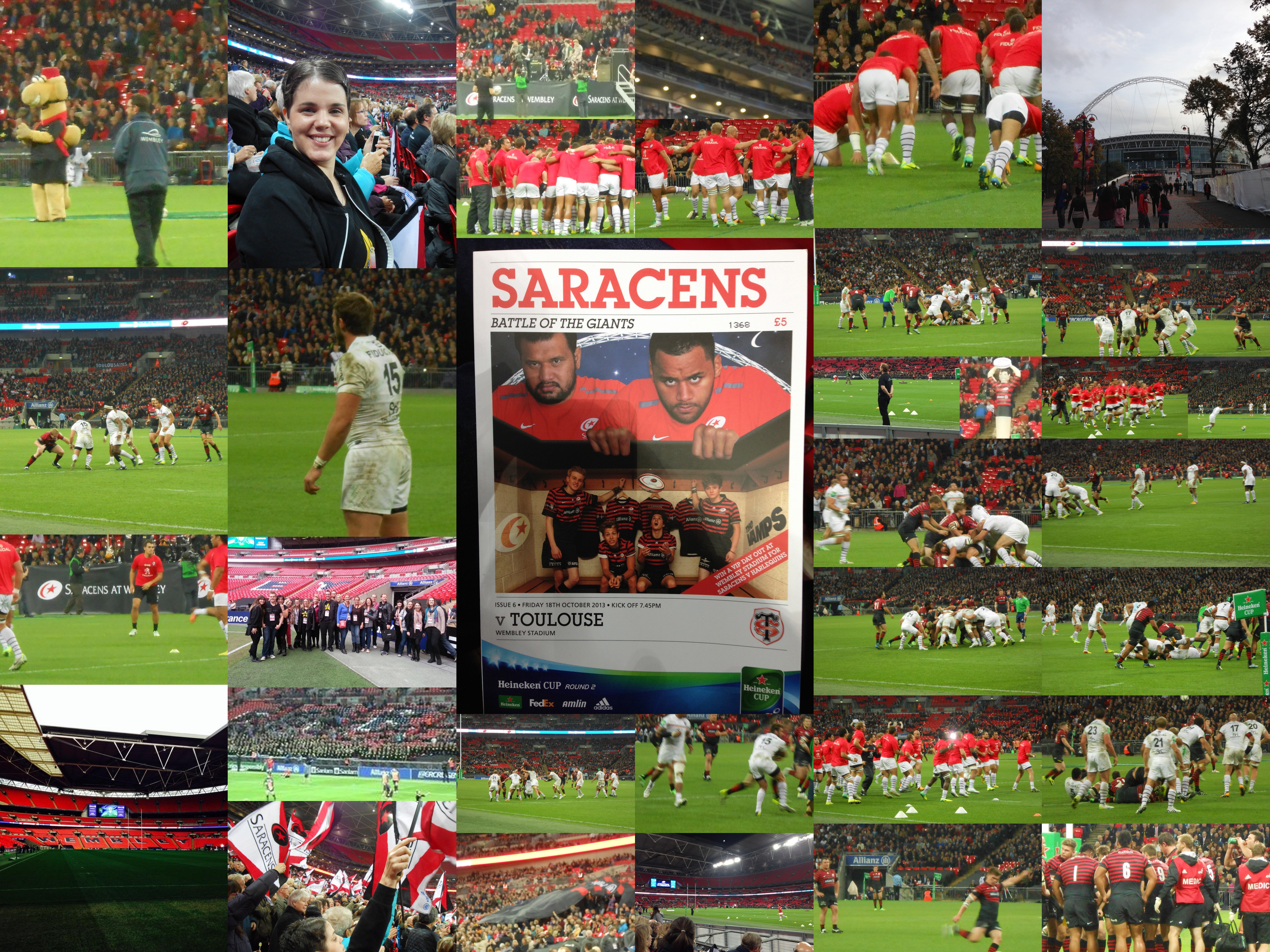
I’m still pinching myself.  How mad is it that I started singing with the Rock Choir a year ago and since then have sung at the O2, recorded at Abbey Road and now sung at Wembley Stadium?  What a hoot!

5,000 Rock Choir members were seated in the front few rows at Wembley Stadium.  We were grouped according to our vocal parts.  Before the game started our Rock Choir leaders took their positions facing us and signalled to remove our outer layers, thereby revealing us all in Rock Choir t-shirts.

We opened the evening’s entertainment with our Rock Choir rendition of ‘You’re the Voice’.  Then everyone joined in to sing Saracen’s anthem ‘Do you hear the people sing’ (a tailored version of the song from Les Miserables.

Then to see the first half of the Heineken Cup rugby match between Saracens and Toulouse.

At half time we performed ‘Living on a Prayer’.  The Vamps were also performing in the half-time break… but I think I’m a little old!

The second half of the rugby game was much faster and exciting.  Sadly (for Saracens) they lost by just one point.

Rock Choir - Wembley - 181013

I understand from those people that were watching the game on Sky that we sounded fabulous!   Our Rock Choir ‘Ring of Choir’ worked!

Loved the experience.  So much fun.

Beautiful Flowers

BCC FlowersAs you know, I attended the Breast Cancer Care’s London Fashion Show a few weeks ago.  I was fortunate enough to win one of the fabulous raffle prizes – “Grand Gesture” – flowers & chocolates.

I left the event with a Fortnum & Mason hamper packed with luscious Lindt balls.

The flowers I was to call the florist to arrange delivery.  In order to really enjoy them I chose  today.  I’ve been a tad excited to see what was to arrived.  A gorgeous floral display of seasonal flowers created by celebrity and Royal florist, Simon Lycett.  Beautiful.

The photos above don’t do it justice… truly incredible and such wonderful rich colours.

Sarcoma SPAEN Conference – Day 3

PATIENT INVOLVEMENT IN CLINICAL RESEARCH
~~~~~~~~~~

Derek Stewart, OBE Associate Director for Involvement at National Institute for Health Research – Clinical Research Network, England
Public Involvement in clinical research
Improving Research – Involving patients, carers and the public

Whilst you have your voices, use them and use them to effect.”

I’m not a researcher, a doctor, etc but that shouldn’t stop us getting involved in research. We don’t need to know what they do but we need to sometimes tell them what we see. It is our job to bring the professionals back to earth. Never think you need knowledge, a university degree, particular skills… all of us can get involved in research.

From patient … to advocate, activist, ambassador and associate

www.throatcancerfoundation.org
Twitter
http://derek-online.blogspot.co.uk

  • Participation – taking part in a trial
  • Engagement – I get a newsletter, find out what’s going on, I’m asked to go to meetings.
  • In the middle – Patient Involvement. Where we actually hold hands with each other working together as clinicians, researchers and patients.

Why is it important for SPAEN?
Your Patient and Carer EXPERIENCE is of VALUE
Gold dust to researcher… they can work on it forever more. YOU have knowledge.

Did you know about cancer before you got it?

Your knowledge is fantastic.
You still have questions that are unanswered. How do I get those answers? That’s research.

Our bodies. When they ask us to get involved. It’s our bodies. We should have a say in that. It is our DNA what happens in it, what happens in genetics we should be able to speak about.

It’s our money £££$$$$. The charities are not the funders of research… it’s our money given to them directly or via taxes. Never forget it.

How can we make a difference?

Inform -> Form -> Influence

Inform – your experience can help. Tell them what happened but remember that sometimes researchers live in a little bubble and think that their idea is the best ever. They need the experience to understand… that’s us. We can work with them to learn and influence to improve the system and the policies.

Consultation -> Partnership -> Patient centred culture (bring fresh air to open the doors and windows)

Clinical Research Network in England. Supports the infrastructure in England Funding an integrated Clinical Research Network.

Supports Involvement of Patients, Carers and Public involvement
£3m put into it. 1,200 patients.

It is 70 days from accepting the trial to the first patient involvement.

A Movement for Change
Fight for Sarcoma, GIST and Desmoid. Bang that drum at all times.

  • But on the bigger picture. We’re all aiming to create better research. Based on our experience ad patient outcomes as a result.
  • We are all wanting to see simpler and more effective systems that get research on to the books.
  • We should all be making sure there is clearer access to research studies. (Hospitals claiming they’re a world leader in research but reception didn’t know… no leaflets etc… On the website ‘get involved in research’ it says how to donate body to research.
  • Improved recruitment. If we’ve not helped with the leaflets, what time, etc Think about what’s needed to improve the recruitment process.
  • Open access for results. We need ALL trial results to be published. They cannot hide the results.
  • Speedier application. Good research needs to be applied not sit on a shelf somewhere. The clinician (ALL) should be up to date and giving us the best and up to date information available based on the research. Always ask your consultant – ‘What’s the research on this?’ Is this the latest research?’
  • Better patient outcomes. Sometimes research is done for clever researchers but we need to ask what is the outcome and what is the difference that this is going to make.
  • Satisfactory experience. Do we ask people what their experience was like when they participated in trials?

Are we making a difference?

Action on Access booklet
Impact of Patient, Carer and Public Involvement in Cancer Research – NCIN leaflet.
Sarcoma UK’s Research Advisory Committee

  • Getting Involved
  • Understand the context. No point in going into a meeting with a researcher – are they looking at recruitment, funding or what?
  • Be clear about the goal and the purpose. Don’t expect an answer… Goal and Objective Settings. If you ask researchers you often get the answer – I’ve just been told to involve patients. Discuss.
  • What happened? What was the impact? If we don’t’ have a goal we won’t know if we’ve achieved it.
  • What was the benefit? (Benefit may be negative – feed it back to them..)

Context – purpose – impact and benefit.

What can you do? 20th May International Clinical Trials Day.
Let’s have you doing something. SPAEN members… promote it. Raise the profile of research.
Simon Denegri’s lay review

Involvement for Access
UK Clinical trials database 

When we first got involved the British Medical Journal wrote an article about patients getting involved in research about patients being aliens at the table.

View from the Top
Dame Sally Davies – “No matter how complicated the research, or how brilliant the researcher, patients and the public always offer unique, invaluable insights. Their advice when designing, implementing and evaluating research invariably makes studies more effective, more credible and often more cost efficient as well.

Signpost people to consent form, finding out information, exploring impact. Learn the language of trials. Do not give up…

When patients are present, we make a difference.

Q&A Session
Q – we are trying to involve Europe wide in clinical trials. One more problem is that European Clinical Trials Register is not suitable for giving information to patients as it’s not accurate or complete.
A – It’s why we need to be at the table and keep doing this. Danger in Europe from some drug companies fighting against open access. We mustn’t do solely fight for one cancer against another disease… we keep on.

Q – Inspiring presentation. Positive energy thank you. How do I respond to my Dr that once I have mentioned that I am participating in a patient group, they close all the doors and windows?
A – Only tip I can give you is try to find another Dr in the area, another clinician, another group…. Because when your Dr hears you are talking to them, they often think ‘I should be doing that too’. Often Derek asks ‘what are the problems you’re facing and how can I help?’. Ask them about why they get involved, what their passions are etc… build a rapport.

Q – We have the opportunity to create a patient group in bone sarcomas. Do you have the experience and wish to be involved?

Q – What would you say are the three main points to get involved?
A –
– Knock on the door.. if you can’t get through the door, go through the window.
– Never feel that you haven’t got a right to be there.
– Keep a simple diary, a few notes about what it felt like not knowing. We need to remember what it’s like for someone starting out. “I walked ½ way round the lake but was too tired, so walked all the way back”. As you know as you learn you improve… remember what it’s like at the start.

~~~~~~~~~~

Markus Wartenberg, SPAEN, Germany
Practical experiences and examples from patient organisations

Patients Involvement in Cancer Clinical Research.

When we look to our experience as patient groups.

  • Majority of patients. No or less knowledge about trials or experience. Perhaps about experiments not trials.
  • Very often we see we have no transparency about access. Where do we find Clinical trials in rare cancers?
  • Access and specifically in rare cancers. Access beyond borders in EU.
  • Access in the direction of losing patients who are not being referred to trials because doctors are losing the patients.
  • Practical issues – schedule? Distances? Costs for the patients.
  • Informed consent. Very often a medical legal wording that is too much to understand for patients.
  • Some patients are not aware they are on a clinical trial!
  • Is the right trial centre the real experts?
  • Sensitive topics like placebo trials in cancer.

Cancer patients 6-12% of cancer patients are participating in clinical trials.

  • Public image vs guinea pigs
  • Barriers to clinical trial accrual/recruitment

This leads to delay in knowledge/innovations, slower progress etc.

Trials and Endpoints?

  • Patients don’t care about ‘endpoints’
  • Their personal status/pathway/options -> important whether they ‘hope for/expect a
    • Cure
    • Stabilisation of the disease
    • Slow progressing disease
  • Important
    • Expert care in rare caners (centres of excellence)
    • Multi-model approach
    • Drugs – resection – radiation – clinical trials

Often it’s a ‘game’ against time…

Trials and Treatments?

  • Critical – how close are trials/trial results to daily practice?
  • Difficult:
    • Meaningful?
    • What drugs can deliver and what we need?
    • How to measure an innovation/a breakthrough?
    • What is value for money?
    • Target therapies – how to define progression?
    • Do we need more ‘me to drugs”?
  • Targeted therapies – Belittlement of the side effects
  • Quality of life is a very individual topic
  • Individual and ethical
  • Very critical – if treatments are/would be available but are not reimbursed.

Big issue at the moment is we need future options. We need better treatments for the future. But at the moment we also see that we are not able to get the best out the therapy. We need innovations but also need to be involved with the industry and experts to get the best out of the treatments at the moment.

Each patient is unique. There is no THE patient. The obvious differences, gender, age, ethnicity etc but so much more!

Patients who are going into clinical trials. They have an emotional overload as they enter the trials. Fear, shock, hope life death, new territory, confused, depression, anger, need support, options expectations.

Patients have physical aspects: Family commitments, work commitments, side effects, job career, fatigue etc.

Cognitive Aspects; regarding cancer but also for the trials. A new area to learn about.

What’s the role of patient organisations in clinical trials:

  • Information, knowledge, education, inclusion criteria.
  • Inform about background of clinical trials.
  • We can communicate as a patient organisation about available and upcoming trials. Work closely with the medical experts to find out, seek information and work ‘with’.
  • Making trial issues more understandable. Our job to interpret.
  • Supporting recruitment in specifically rare cancer sub-types.
  • Informed consent
  • Aspects of quality of life
  • Dissemination of the results… positive and negative results.
  • Involvement at the design stage. Work together on the issues for the future.

Dialogue with the Customers!

Patients are the customer… previously it was always the doctor… needs are changing

Partnership: Translate From/To The Patient/Customer
Physicians/Researchers <–> Patient Group <–> Researching Industry
<——————————————————————————->

Other players in the room – research organisations, regulators, HTA, payers etc.

Patients/Patient advocacy groups have a lot to offer

  • A common patient voice
  • Patient advocacy groups can argue in a way – experts/pharma can’t
  • Motivation to be involved
  • Needs overall
  • Expert patients
  • Etc
  • Etc

Clinical Trials’ offer some collaborate fields
Information access, design/quality and recruitment.

INVOLVE: Challenges

  • The general challenge is not specific enough for rarer cancers
  • Current trials system vs practice
  • Pharma/ experts often have no experience why and how.
  • EU trials directive – legal, confidentiality, regulatory aspects etc.
  • Involvement as early as possible. Not as troubleshooters but from the beginning.
  • Public media opinion. Collaboration is vital.
  • Patient organisations. How to identify patient organisations who are interested, prepared or willing to be involved in trials. Perhaps knowledge.
  • Patient organisations as a professional behaviours. Set rules with industry and behave!
  • We need to go back from talking more to action. Are there pilot projects to learn from.

INVOLVE: Solutions

  • How can we get the best out of our current therapies? Looking at them in practice and work out what to get out of them and improve.
  • New mindset: Patient centric research = Collaboration. Not lip service!
  • Awareness. Bring the topic to policy, healthcare, regulations and the public. Sometimes we need to seek it out other times people will come to us.
  • Working in initiative s for rarer cancers.
  • Working through a better approach for the informed consent EORTC.
  • Intense discussions with our industry colleagues. Getting feedback following completion of a clinical trial… this surely would improve the next one!
  • Training of patient organisations. Understanding cancer clinical research.
  • Medical advisory boards – we need to be involved in a collaborative way in each of these boards for the whole process and have the opportunity to talk to the regulators
  • Look at pilot projects.

~~~~~~~~~~

BASICS OF STRATEGIC PLANNING FOR PATIENT GROUPS

~~~~~~~~~~

Markus Wartenberg, SPAEN, German and Lindsey Bennister, Sarcoma UK
Lecture: The basics of strategic planning and practical experiences from a patient group

Strategic planning is an important part of business skills for patient groups. Idea of session is introduction to the topic…

Questions to consider:

  • Is your group thinking/planning strategically
  • Are you creating strategies from a share vision
  • DO you learn from the past and gather information from and about the external environment
  • Do you have immediate measurable goals in place
  • Are individuals or the boards (teams) accountable to plan
  • Is the organisation creative and flexible
  • Does it recognise, reward and institutionalise positive change.

What about shared vision?
Often people have a difference expectation and view of what is needed or required. You need to find a common shared vision.

A lot of areas in modern life are using ‘strategies’

  • marketing strategy
  • politics
  • elections
  • survival strategy
  • military
  • etc

What about patient organisations and non-profit organisations… makes sense to use strategies.

What is a strategy?

  • A method of plan chosen to bring about a desired future, such as achievement of a goal or solution to a problem.
  • The art and science of planning and marshalling resources for their most efficient and effective use. The team is derived from the Greek word of generalship or leading an army.

Your team! Your goal! Your proceeding? What Questions? How do you do it?

  • Setting part goal posts, markers to get there.
  • What materials do I need? What resources, tools, people?
  • Sharing responsibilities amongst the team members
  • Assuming responsibility as a team member.
  • What experience does the team have?
  • What conditions, environment etc influence your planning?

We have to think about the process and plan. Discuss and build up a strategy and planning process to get there.

What is Strategic Planning?
A systematic process of envisioning a desired future, and translating this vision into roadly defined goals or objectives and a sequence of steps to achieve them.
A systematic approach through which an organisation agrees on the priorities that are essential to its mission and responsive to its environment.
Future/Vision Mission
Goals
Analysis
Agreement
Strategy
Etc

What is strategic planning NOT…

  • A prediction for the future
  • A smooth, predictable, linear process
  • A substitute for judgement of leadership.

Hope is NOT a strategy.

Benefits of Strategic Planning.

  • Defines mission, vision and values
  • Establishes realistic coals, objectives and strategies
  • Ensures effective use of resources
  • Provides base to measure progress – need to assess value and feedback
  • Develops consensus on future direction
  • Builds stronger teams. A lot of people coming together motivated to do things but are they doing things in the right direction and utilising their skills and strengths.
  • Solves major problems.

Some thoughts for the process

  • Strategic planning involves choosing the highest priority achievements over the period of 3-5 years.
  • What is the strategy to achieve goals.
  • Strategic planning builds commitment to the vision.
  • Important for all levels of the organisation to be involved.
  • A strategic planning committee
  • Outside consultant/facilitator to facilitate conversations, capture external interviews, move the process along or to maybe draft the final plan.
  • In the end, Plan must be owned by the board/staff in order to move it successfully and strategically into the future….

First activity:

  • To assess the current situation and review the relevance of the mission and programs
  • Developing a ‘plan for the plan’ ie this means that if this is a big organisation how will you develop and implement the plan.
  • What is the outcome of the strategic process?
  • What is the time frame?
  • Strategic planning committees composition. Full board members, staff involvement and perhaps an external facilitator?
  • Thinking, collective experience, external and internal research.

Second activity:

  • Summarise the organisational history
  • What has been accomplished and what has NOT been accomplished between the plans.
  • Collecting data and information to make decision.

Book – strategic planning for non-profit orgs

The big 5 for strategic planning:

  • Mission
    • Why does the organisation exist?
    • What is the reason for being?
  • Vision
    • How will your community be changed and made better by what you have done?
    • What is your organisations vision of excellence
  • Value/Beliefs
    • What core principles should guide your organisation in the present and into the future?
  • Goals
    • SMART goals. These are outcome statements
    • Strategies
    • How are you going to meet the goals?

Remember if strategies get too detailed, you are moving away fro m strategic planning and into annual operational planning.

  • Swot – Analysis

What are strengths and weaknesses of organisation. Opportunities, threats etc facing us. This will help with key priorities and process.

Strengths and weaknesses

  • How is your organisation positioned?
  • What are the internal challenges?
  • What are the areas where the organisation shines?
  • Organisation reputation and history
  • Weaknesses such as capacity, funding, infrastructure etc

Questions:
Resources or strengths that help us to accomplish our mission or mandate or create value for our members (and their patients).
Internal weaknesses are deficiencies in resources or capabilities that hinder us to accomplish our mission or mandate or create value for our members (and their patients).

Opportunities and threats
These are the external factors to the organisation.
Are there new programme areas where you should be new, new funding, community collaborations, regulations, government, economy dependencies etc.

Questions:
External opportunities are primarily outside factors or situations that we can take advance of to better fulfil our mission or mandate or create.
External threats or challenges

SWOT and other tools
Identify the current environment and will inform your plan. You need to understand what is going on with your environment otherwise you will l have problems about reaching the goal and implementing the strategy.

Screen external relations. Who are the people the organisation are working with? Medical experts, Industry, payers, regulators etc.

What are the main stakeholders the organisation is dealing with. What are their roles, influences, interests, expectations? Are they target groups/audiences for future actions?

But also collection of available data? Do you know everything, have information on target groups, how do they behave etc. About environment and perhaps legal influencers in anyway. Do you know what the needs and expectation of your patients and carers really are?

To complete ‘your picture’ you can also initiate surveys, interviews focus groups etc.

All required to build your strategy for the future.

Putting Patients at the Centre of Healthcare – Strategic Plan 2010-2014 – iAPO

Measurable Activities…

~~~~~~~~~~

Lindsey Bennister, Sarcoma UK
Transforming the landscape for sarcoma
Sarcoma UK’s Goals and Strategy 2014-2020

If you don’t know what you’re going to do, you can’t know that you’ve made an impact

Lindsay summarised further the importance of planning and strategising that Markus had referred to in his presentation.

Sarcoma SPAEN Conference – Day 2

Dr Rachel Brindley (Clinical Psychologist) and Elaine Stewart (Cancer Support Specialist), London Maggie’s Cancer Centre
Morning Talk – What to do when treatment comes to an end? – Practical, emotional and psychological issues

What’s it like to be facing this diagnosis in your country?
What are the challenges?

  • Majority of people say they weren’t offered support.  But the search for information helped however it was their way of coping which might not be right for others.
  • Misunderstanding of what palliative and hospice care is.  Perhaps the communication isn’t good enough to understand what options are.  Discussions between Patient and Dr need to be better to understand the options but also to think about what is the job of an oncologist, palliative care, hospice etc.  Learning a new language.

What are the supports?
What are the main psychological issues that people with advanced disease face?

  • Living with uncertainty.  Realise the disease is progressing and recurrences but not knowing and living along side the disease whilst maintaining a quality of life.
  • Significant adjustment process that needs supporting.  Adjusting to the knowledge of advanced disease but finding your new place.
  • Fear of future of family if I die?

Ripple effect of cancer:
Medical – treatment effects, nutritional needs, physical
Quality of life – Sleep, leisure activity, shopping, socialising (eg meals)
Relationships – Changing roles, sexuality…
Difficult emotions – Low mood, anxiety, guilt, shame, anger (at disease, at family at God)
Self Image – Body image, self-esteem, confidence
Existential–Spiritual – Meaning of life, create a legacy, purpose…
Financial/Legal – Work status, holiday insurance…

Q – Psychological support to the physicians?
A – It’s also a burden on the clinicians and medical team.  Is this why they’re not best to share bad news.

Fears and questions about death and dying?
What are some of the fears?
What do people want to know?
What is it like talking about these?

Can be victims of complementary and alternative therapy?

Italian Dr shared a story – Shocked on his very first day of work in new role in LA, he was taken into patient’s room.  Colleague starts talking.. in next few hours/days explains respiratory and cardiac arrest is near.  We can resuscitate and will only delay a few days.  Shocked about how brutal they were with the patient.
In Italy the percentage of patients with this kind of information is only 1% or less that are given details about death and dying.  In Italy many patients don’t want to know they are going to die.  Physicians problems start much earlier than this point.

Very individual choice about knowing what is going on.. time to clear things, discuss with relatives, friends etc think about funeral and future of family.

Patient choice… has to be a sensitive and individual choice by patient.

When do you discuss?
Again very individual to find the time to discuss.  Discuss in part.   Listen to learn what the other person needs to hear.

Fears about death and dying
Fears about dying:
1.     Fear of the process of dying
2.     Fear of the consequences of death for loved ones
3.     Existential fear of death itself

Planning Ahead
What does this mean to you?
What would be helpful for you to think about?
What resources are available to help you to plan ahead?

  • Comment from member of the audience: for many in the UK we have never experienced death in the first 40 or so years of our life.   Death isn’t talked about.
  • Comment from another member of the audience: – Clinician discussions are often very different and difficult.  Training for clinicians and learning to signpost and be honest to refer.

Stages of Grief – Kubler-Ross
Denial -> Anger -> Bargaining -> (Anxiety) -> Depression -> Acceptance
Not a case of working through but cycling back.  Perhaps anxiety is missing on the diagram?
Perhaps should be ‘Not knowing’ at the beginning of diagram.
Some people may never get to the Acceptance phase but back and forth earlier on –ie they’re not able to accept death.
Perhaps include Guilt

Self-Care
Close involvement with people at end of life involves managing complex medical problems and working with high levels of emotional distress

Discussion
Consider the impact that working with people with advanced disease may have on you and other professionals.

1.     What signs would you want to be alerted to in
a.     Yourself?
b.     Others?
2.     What strategies do you feel would be helpful/important in preventing and managing these?

The heart must first pump blood to itself” – S.L. Shapiro
Support staff teams
Opportunities to debrief and reflect after difficult/distressing incidents
Opportunities to discuss what went well
Peer or individual supervision
Access to training, appropriate information
Time – to reflect on work, and for own needs
Feedback from senior management: positive, constructive
Balance between work and home life.

How might you be able to carry on some of these conversations/ideas when you get home?

~~~~~~~~~~

ADVOCACY MARKET PLACE SESSIONS
~~~~~~~~~~

Barbara Dore. Chair, Gist Support UK, SPAEN
How to Organise Patient Group Meetings

Think about and objectives for patient meeting.

Objectives

  • Information/Education
  • Exchange between patients
  • Support (you are not alone)
  • Patient empowerment
  • Relationships with
    • Experts who may speak at meetings
    • Industry experts.
    • If near clinic/training/university then perhaps invite team/students etc.
  • Reasons to donate (not just in terms of money.  Can also be their time).
  • Finding volunteers

Session formats

  • Lecture presentation
  • Workshops
  • Case studies
  • Panel discussions
  • New experiences (yoga…)
  • Background sessions psychological support etc)
  • Vary the pace of the meeting during the day/meeting
  • No more than 2 hours without a break.
  • Networking time!

Topics/Speakers

  • Consider the audience
    • Previous feedback
    • Newcomers/experienced
  • Variety of subjects – from the academic, technical and practical
  • Structure the day – after lunch spot needs interactive and care in planning.
  • Interaction keeps the audience engaged.
  • Brief the speaker as to content
    • Ask them if they want time cues
  • Reminder 1 week beforehand
  • Prepare some questions for Q&A
  • Write and thank speakers afterwards

Location

  • Budget
  • Site visit
  • Accessibility
    • Travel easy?
    • Disabled access
    • Car parking?
  • Layout – flow
  • Resources
    • A/v
    • Poster display
    • Flip charts
  • Registration desk.
    • Name labels,
    • programs
  • Signposting to meeting
  • Refreshments (every 2-2.5hrs)
  • Networking

Volunteers
Staff during the meeting

  • Registration Desk
  • Assistance to guests
  • Passing microphones around
  • Collecting evaluation form
  • Taking note from the meeting report
  • Distributing papers (Agenda etc)
  • Photographing
  • Getting Contact details
  • Circulating and meetings/ welcoming all participants
  • Getting photograph permission

Announcing the meeting

  • Inform and invite all attendees
  • Experts physicians nurses clinic
  • Invitation letters/leaflets posters
  • Invite by Email postal delivery, Facebook, twitter, website, email group
  • Press
  • Online calendar
  • Continuity slides.  Welcoming slide before presentation and also slide for lunch or welcome back to the afternoon session.

The Day

  • Meet and Greet
  • Network in Breaks
  • Feedback?
  • Think about next time.

Enjoy

~~~~~~~~~~

Roger Wilson and Claire Kelleher, Sarcoma UK
Patient Group Survey

Why do we do questionnaires?

  • need to get information
  • need to get opinions
  • experiences
  • often get new ideas

Need to be quite clear about objectives for survey.

Sarcoma UK is a patient led organisation.  Likes to involve patients in any initiative and involvement.   Part of Information Standard process is you must involve target participants ie patients.  Done by various means, feedback or through email, telephone, speak to people at support groups etc.

Clear objectives in mind when thinking about questionnaire.
Who do you want to contact?  Patients?  Carers

  • How will you contact them?
  • How are you going to find them?
  • How will they respond?
  • How will you record numbers in a meeting and is there any value?
  • Do you need documented or formal responses?

Once you’ve got data from responses what will you do with those replies?  Putting the data from the questionnaire into a spreadsheet for analysis is time-consuming.

  • How will you handle their replies and analyse the responses?
  • Once you have an analysis what are you going to do with it?

Got to have these things sorted in your mind before you start the survey process.  Otherwise it may be past its use by date by the time you use the analysis.

Claire – How we’ve used our surveys.  At British Sarcoma Group Conference in February we asked specifically about written information.
Asked the group in workshop (patients, clinicians and CNSs) what they thought of information (using Macmillan and Cancer Research UK’s written info). Most people said too complex and difficult to understand ie the lesson learnt use simplest terms that we can.
Negative feedback re glossaries – most people in the workshops found it difficult to flit back to glossary rather than explaining what a word means as they go along.

Survey about information and support – what info have you found? When did you receive it?  Etc… so Sarcoma UK can understand what patients are experiencing and better support patients as they should be.

Collate research data.  One reason why survey used?
Use methodologies and tools that have been validated academically.  So that the data can be taken seriously by professional bodies (wherever possible).

One of the tools that is most readily available is the EQ5D which looks at quality of life.

Is this form truly useful for cancer/sarcoma patients?

Currently working with Royal Marsden for sarcoma patients with advanced cancer.

Claire – Example of how patients’ information can be used within gynae-sarcomas.
There is a gap of information around this type of sarcoma.
People upon diagnosis not given information… there is very little.
Sarcoma UK are developing a booklet.
They have an information review panel (both patient review panel and a professional review panel).
All information goes through the process first with the professional panel looking for inaccuracies.
Next to the patient review panel – is it easy to understand? Is it the information they want to see?

One problem we had is that there isn’t that many people we have on the information review panel with this type of sarcoma.
We put a call out to the women we knew about to invite them to be involved in the review panel.
In January we’re holding a Webinar (with Maggies) to offer information and advice to ladies with gynae-sarcomas and also to gather information about what they would like to include in the information leaflet.

The information leaflet is then due to be published early next year and will be available on the Sarcoma UK website to download.

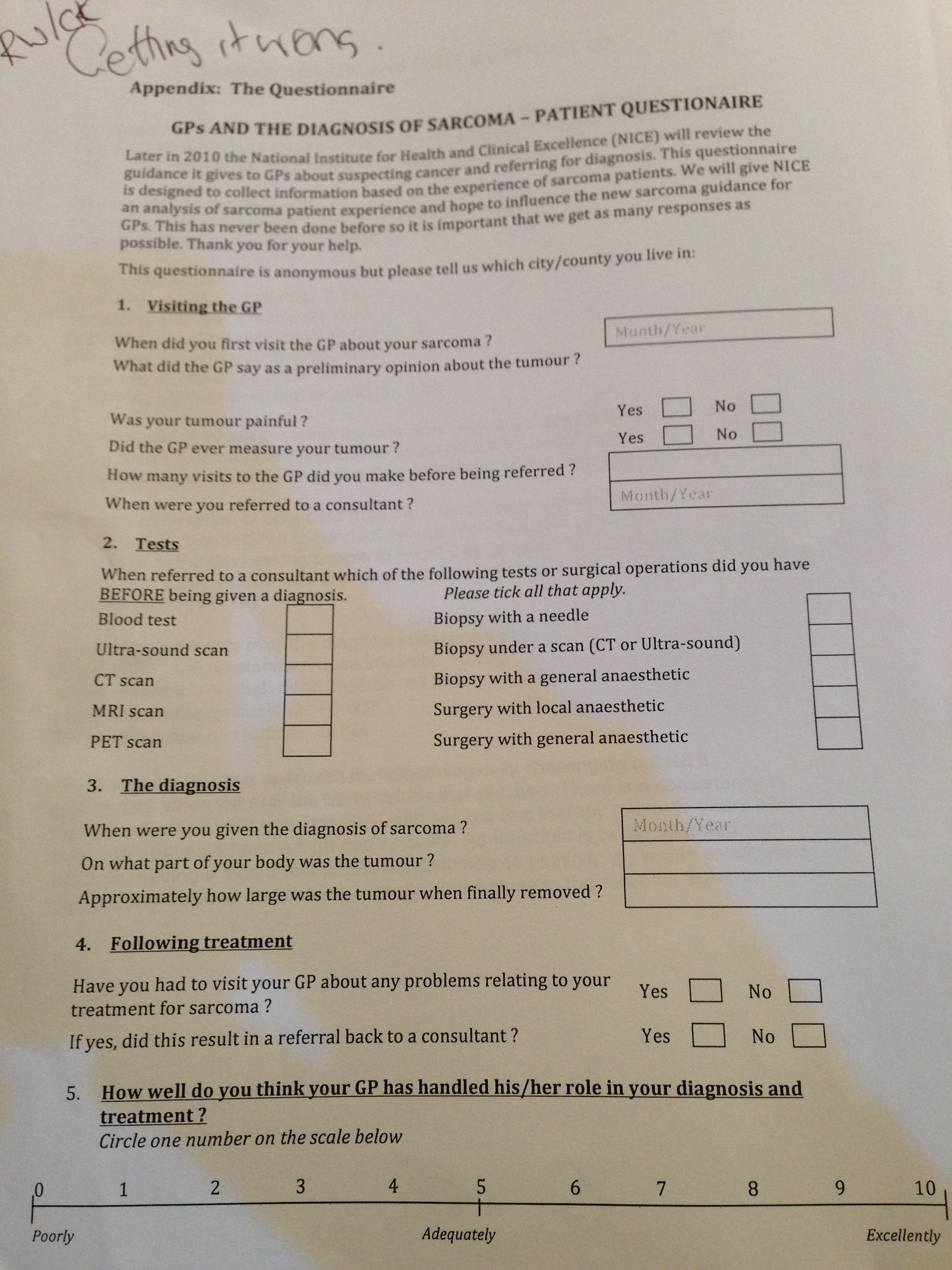
We do get it wrong as well…
IMG_4133
80 responses.
People had written all over the form and written on the back of the form.  Realised they were only scratching the surface with this survey.  Didn’t look at it well enough or in depth.
Hadn’t expected to also see hospital doctors lack of sarcoma information as well as GP (which had been expected).
If we’d been able to test the survey with 10 or 12 patients beforehand, Roger thinks a very different survey would have gone out.

Ended up writing a three page analysis of this survey which frankly was a load of waffle as the real conclusions had no data to support them as it was supplied anecdotally in the margins of the form rather than as answers to not very well worded questions.

Lesson – get objectives right before you start and test the questions to ensure you are asking the right questions in the right way to the right people.

Q – how would you deal with when a patient asks for privacy in answering a questionnaire.
A – Responses are anonymous.  Don’t ask for other personal information that might identify someone.
If someone doesn’t want to give information… they don’t have to.

~~~~~~~~~~

Ian Judson, The Royal Marsden Hospital UK
Marco Fiore, Istituto Nazionale Tumori Milan, Italy
Strategies for Metastasis in Sarcomas and Gist – Perspective of oncologist and surgeon

50% of people diagnosed with sarcoma will NEVER have another problem after primary treatment.

~~~~~~~~~~

Ian Judson – Sarcoma Unit, Royal Marsden
Management of metastatic disease – soft tissue sarcoma and GIST

What are the roles of chemotherapy for soft tissue sarcomas?

  • Palliation of advanced local or metastatic disease
  • Pre-operative treatment for large tumours?
  • Adjuvant chemo in large, high grade, extremity tumours?

Palliative treatment of advance disease.  Crudely if you lump all sarcoma together the median survival isn’t great. Probably about a year.

We did a trial in the EORTC combination v single agent – the 62012 trial

Slight improvement in progression free survival but no significant improvement in overall survival.

How can we use this data?

  • If objective is response – tumour shrinkage or remove specific symptom (pressure on nerve) then justified in using combination therapy.
  • If objective is palliation, then no real value in using combination therapy… single agent treatment (consequential if needed) is probably best.

What subtypes are particularly sensitive to chemotherapy?

  • Most sensitive subtypes appear to be
    • Synovial sarcoma
    • Myxoid/round cell liposarcoma
    • Uterine leiomysosarcoma
    • Other?
  • But N.B. – data are sparse on individual disease outcomes.

Other effective agents.  We use a combination of agents depending on the sarcoma type.  But we’re dealing with small numbers and difficult to assess.

Hormone sensitive sarcomas

  • Endometrial stromal sarcomas & some low grade ER/PR+ leiomyosarcomas, respond to oestrogen deprivation
  • In premonopausal women GnRH agonists or oophorectomy
  • In postmenopausal women – aromatase inhibitors
  • We usually use letrozole

When is chemo unhelpful?

What’s the future?

Molecular biological information that we can translate into new treatment.
In part:
Some tumours, types, mutations can be difficult to treat or apply a ‘rule’.

Some progress with translocations (chromosome swapping) ie synovial sarcoma translocations
Chromosomal amplifications – ie when it copies and becomes a driver for the sarcoma.

Median survival is improving as we discover more.   We have more drugs being used.  Differing regimens.

Conclusion
Range of treatments available for treating metastatic sarcoma.

PHYLLODES – COULD BE SARCOMA OR CARCINOMA (hence confusion about where it sits in medical teams)

~~~~~~~~~~

Marco Fiore, Instituto Nazionale Tumori Milan, Italy
Strategies for metastases in Sarcomas and GIST – A surgeon’s perspective

Looking at surgeries about how we run trials.
Conclusion should perhaps be that it is about patient choice and perhaps the studies should be addressed retrospectively in order to obtain patient randomisation.  Patient choice needs to be made with sufficient information to make an informed choice.

~~~~~~~~~~

AFTERNOON SESSION – SARCOMA TRACK

~~~~~~~~~~

Jean Yves Blay, Centre Leon Barard Lyon, France
Update on new and ongoing trials

There are many clinical trials….

  • You understood for clinical trials that we are dealing with a very well structured setting.  The majority of trials are done in multiple continents.
  • We are moving from a situation doing trials in all sarcoma sub-sets to a situation where we are targeting histologies.  This is changing the landscape an adds a level of complexity.  The end of the story will be not only focusing on sub-types but molecular sub-types within.  Results in small number of patients and work collectively globally.  It will not be possible to demonstrate the use of an agent

3 messages

  • Global approach
  • Histology Driven
  • Very important in know randomised trials, approval of the agent and prove that something is superior to another.

Bone sarcomas

  • Osteosarcoma
    • OS2006
      • Exploring bisphosphonates in a randomised setting
      • FSG, EORTC, others
    • Euramos 2?  5 years to do the first trial.  What next in Euramos 2 trial?
    • Country specific trials.
  • Ewing
    • Ewing 2012 (FP7)
      • Comparing VDC/IE to VIDE (comparing US regimen to the European regimen)
      • Exploring bisphosphonates
    • EuroEwing trial
      • Piloted by the German group.
  • PoC studies in Ewing/Osteo
    • Mifamurtide, linsitinib (EuroSARC WP6)
  • Chrondrosarcoma
    • PoC study of neoadjuvant mTOR inhibition
    • Hh inhibitors (vismodegib) negative
    • EuroSarc projects
  • Chordoma
  • Trials on mTOR, TKI (imatinib, sorafenib) completed

Soft tissue sarcomas

  • Neoadjuvant
    • Histology tailored treatment in EuroSARC (WP5)
      • ISG, GEIS, PSG, FR

Trying to address if we should give the same treatment.

  • Adjuvant chemotherapy
    • IRCI Uterine LMS 0 vs 4GT/4Doxo
      • US, EU (GOG, EORTC, UK)

Unsolved question in soft tissue sarcoma.  This is not the standard for all patients and we do not know who will or won’t benefit.
IRCI – this was the first trial in the US.. no treatment –v- combination treatment. It’s hoped it will answer the important question on this sub-type.

  • Surgery
    • Prospective trial of no treatment in desmoids (FR)

Phase 2 study of no treatment.  Often not mentioned.  This is where desmoids are not affecting other things.

  • (Neo)Adjuvant radiotherapy
    • Retroperitoneal sarcoma (EuroSARC WP4) exploring in selected localisation of disease.
    • Vortext tiral (UK)
    • SAR01 trial (FR) no radiotherapy with wide margin

Largest clinical trials are in the advanced phase:
Advanced phase – randomised trials
First line

  • Palifosfamide (closed Ziopharm sponsor)
  • TRS trial (Pharammar, completed) – Needs further investigation.
  • NCRI GT vs Doxo (UK) – Recruiting well – 220 out of 250 patients.  ASCO 2015
  • EorTC Trust Trial (closed for accrual).  Exploring agent in first line setting.
  • Dox +/-TH302 (ongoing, Threshold sponsor)
  • IRCI EORTC/UK in HGUS  High grade undifferentiated uterine sarcoma.
  • Taxol+/-Bevacizumab (FR, Angiosarcoma) – Close to completion of accrual.

Only a few trials are addressing in histological sub-types.

Subsequent lines

  • Trabectedine vs DTIC (JNJ, US, L-sarcomas)
  • Eribuline vs DTIC (Eisai, World, L-sarcomas)
  • Sunitinib vc cediranib (US NCI, ASPS)
  • Regorafenib vs – 0 (FR, all comers)
  • CDK4 inhibitor vs 0 in (US/World WD/DD LPS)
  • MV vsPazopanib (FR, Desmoids)
  • Cediranib vs BSC (UK ASPS)

Phase 1/11 trials

  • Subset specific (right question?)
  • Target specific (phase I/II)
  • Molecular immunotherapy.  Contrasting what was done in the 90s.  Watch in next 2 years to see new trials of this kind.
  • Passive immunotherapy.  Means antibody which is labelled with a nesotope and recognised.
  • Treated the driver target across histotypes

EORTC Network of Core Institutions
EORTC protocol 9010 (EudraCT number 2011-001988-52 NCT01524926)

Probably the future of what we are going to do in sarcoma.

Q&A Session
Q – Moving much more to molecular selection of patients in clinical trials.  Is the pathologist going to become more important in making the selection decisions.
A – The role of the pathologist is central.  This question is debated often.  How do we link pathologist to molecular biologist?  Research to routine is very challenging.

We need to bring up a budget wall with people talking to each other and exchanging information.  Challenging not sure.  If a pathologist is a real molecular biologist you’re fortunate!

~~~~~~~~~~
Short profiles of sarcoma subtypes
~~~~~~~~~~

Hans Keulen, Chordoma Foundation NL
Chordoma

Brief introduction into Chordoma and introduction to clinical trials
What is Chordoma?

  • Malignant tumour arising from the bone of the skull base and spine
  • It is a cancer and has a tenancy to be locally invasive and a tenancy to spread (metastasize)
  • It’s origin is traced to remnants of primitive embryonal cells called the “notochord”

Demographics

  • 5 % of the primary bone tumours are located in the spine
  • 8% of the spinal tumours are Chordomas
  • Incidence <0,7-1:1,000.000
  • Grows at skull base (Clivus, 35%), sacrum (50%) other spinal (15%)
  • Strikes people of all ages, most diagnosed in the 50s for sacral and 40s for other types
  • More frequent in men than women.

Phylum Chordata: Subphylum vertebrata

  • 550 million years ago Chordates emerged from the common ancestor
  • Presence of the notochord is the most prominent feature of the Phylum Chordata
  • Notochord is ectodermal and guides developed

Fate of the notochord

  • The notochord is essential for the creation of the embryo
  • Usually disappeared 10 weeks after gestation
  • The notochord should not be there at the latest after 10 years.
  • There are a lot of factors that can arrest the disappearance.

Recent discovery is that a certain gene called Brachyury (t-box gene).  Essential for development.  Absence is lethal.

Notochord and brachyury
Brachyury is over expressed in chordomas and many epithelial cancers.
Brachyury is expressed in chordomas but not in other bone and cartilage tumours.
Approximately 10% of chordoma patients it is familial.
Duplication of brachyrury gene has been observed in familial chrodomas.
When you inhibit brachyury in chordoma patients you will stop it growing.

Recent discovery from UCL – www.ncbi.nlm.nih.gov/pubmed/23064415

97% of chordoma patients harbor at least one allele of the common nonsynomymous SNP rs2305089 in the brachyury gene

Research is imperative.

Benign notochordal cell tumour (BNCT)
Should anything be done at this point?

Current treatment of chordoma
First line is still surgery.  Piece by piece or enbloc depending on location.
Sometimes stabilisation of the spine is required.
Radiation therapy is a high dose (usually 3x dose of breast cancer)  Specialised types, mostly proton beam or carbon ion.

Implications

  • Prognosis for chordoma patients Is not that good.
  • High rate of recurrence
  • A lot of people get a lot of mutilating surgeries.
  • Sacral chordoma usually in a wheelchair
  • Survival rate has gone up but sometimes at a cost of added mobility.

In the past we saw only 10% of mets.  However recently mets in sacral chordoma has recently been recorded that these are as high as 30%.  There is doubt if this might be due to surgery not being good enough – possibly caused by seeding.
No chemotherapy
20-20% cure rate.

Survival
Median was 6.29 years

Remarks – survival is increasing to 7-9 years, but with increased morbidity from surgery and radiation.

Chordoma vs Chondrosarcoma
Mistaken on routine histology
Epithelial v Mesenchymal origin
Immunohistochemistry
Cytokeratin
Brachyruy
Survival
Much better for chrondrosarcoma (gr1)
Misdiagnosis is less common now.

Recent developments
Using Carbon Ion instead of Proton radiation particularly in sacral chordomas night even replace surgery as first line treatment (ECCO 2013)

Radiation before or during surgery offers promising results with respect to recurrence and seeding.

Increasing number of target identified for trials with existing drugs.

Other trials….. not just drugs
e.g. Carbon Ion vs Proton Beam radiation – HIT Heidelberg

Carbon Ion vs Proton Beam radiation – HIT Heidelberg

About Chordoma Foundation
We are a very small patient group.  Worldwide we are less than Sarcoma UK!

Our mission is to improve, extend and ultimately save the lives of chordoma patients by:
Accelerating the development of more effective treatments
Helping patients across the world.

One in a million, on a mission – Chordoma Foundation

~~~~~~~~~~

Beatrice Seddon, UCL Hospital NHS Trust UK
Uterine Sarcoma

Gynaecological sarcomas – where are we in 2013?

Incidence of gynae sacomas
1985 – 2009 5950 gynae sarcomas diagnosed in the UK
9.2 case per million female population
285 cases diagnosed in 2009
Peak incidence 30-60 years

NCIN Gynae sarcoma report soon to be published.

Classification WHO 2003
Uterine Mesenchymal tumours *****
Smooth muscle tumours
Endometrial stromal tumours

Do not include malignant mixed Mullerian tumours

Location of tumours
85% of gynae sarcoma arise in the uterus
7% I the ovary
4% in the uterine malignancies

Sloan Kettering uterine leiomysosarcoma nomogram – overall survival probability prediction tools

Management of gynae sarcoma
Surgery – Most important component of treatment

~~~~~~~~~~

Marco Fiore
The interdisciplinary process of diagnosis in soft tissue sarcoma

MDT involved
Pathologist, medical Oncologist, thoracic surgeon
Web based National Rare tumours network, radiation oncologist
Surgical oncologist Radiologist

Sarcoma MDT
Many specialists have routine activity with MDT team.

Weekly routine meetings with the specialists, pathologic round, clinical round and MDT outpatients.

Biopsy
Any deep mass OR bigger than 5cm OR increasing in size

  • Hystologic exam (better than cytologic)
  • Think about possible surgical incision
  • Keep high-level of clinical suspicion
    • Be aware of usual misdiagnosis -> deep large ‘hematomas’ are virtually impossible if no trauma history and/or anticoagulant drugs.

Core-needle biopsy
Local clinic
Usually two samples.

Pathologist – new classifications WHO classification of soft tissue tumours

In common cancer they are white or black
Benign – no problem.
Malignant – diagnosis of cancer.

Within soft tissue transfer it is a scale of white, greys and black,
Benign, Intermediate aggressive tumour, (locally aggressive) or (rarely metastasizing)  Malignant.

Different decision for soft tissue sarcoma diagnosis.

Soft tissue sarcomas can be diagnosed anywhere in the body and surgery on sites can be very varied yet the tumour type could be the same histology.  Anatomic constraints.

First think the overall strategy:

  • Histology specific (and grade)
    • Combination of natural history
    • Different sensitivity to different drugs
    • Different radio-sensitivity
  • Site specific
    • Respectability
    • Reconstruction needs

What I can do + what the tumour can do = What I should do.

Please note, overall strategy should think in advance.

Sometimes it’s important for the surgeon to consider what to do rather than rush into it… difficult as most patients want surgery immediately but caution may in fact be best for the outcome.

Pushing tumour margins Or with infiltrative margins.

External lesions it may be better (angiosarcoma photo used) to have any chemo after surgery… that way the surgeon can see exactly where they need to perform surgery.

Functional outcome is an issue.  Needs planning to ensure that particularly with arms etc that reconstruction of nerves etc is also planned to provide patient with best outcome.

Cosmetic outcome can be problematic.  Such as on the head and neck.  Plastic surgeon should also be consulted as part of the planning.

INT – treatment criteria
Changing over time 1987-2007

  • Less amputations.  Decreased from the 1st to the 4th period (9% -> 3% -> 1% -> 1%)
  • Concurrent chemo—radiation therapy.  Preoperatively

Local recurrence was improved.  Survival did not change.  Functional outcome and quality of life did.

One-shot approach.  You need to think in advance for this strategy.

  • Re-excision: up to 50% of the cases referred to tertiary centres.
  • Impact on public health costs /reimbursement criteria??
  • Impact on extension of final surgery and functional outcome.
  • Psychological impact on patient and family (unexpected diagnosis: whoops! – delayed diagnosis – second opinion change diagnosis in 30%)
  • No prognostic impact.

Retroperitonal soft tissue sarcoma
Probability of finding via CT scan is low.

Biopsy remains the gold standard in diagnosing sarcoma!

~~~~~~~~~~

Julia Hill, Deputy National Programme Director, National Cancer Peer Review, UK
Peer review of quality of treatment, access to treatment and centres of excellence.

What is Peer Review?

  • Quality assurance programme based on National Guidance and National Standards.
  • For Sarcoma this wa the Improving Outcomes Guidance.
  • Guidance by nature is guidance and cannot specifically be measured.  Need to be benchmarked.
  • It’s not a statutory function but well supported in NHS.

Development of peer review

  • Developed initially around cancer services.  Broadening outside of cancer.
  • First reviews took place in 2001.  Been through many reviews and remodelling.
  • Number of independent reviews support the continuation with recommended support.

Aims of Peer Review

  • Providing safe services
  • Improving quality and effectiveness of care
  • Improving the patient and carer experience
  • Undertaking independent, fair reviews of services
  • Providing development and learning for all
  • Encouraging the dissemination of good practice.

Key principles of Peer Review

  • Clinically led
  • Consistent in delivery
  • Developmental
  • Focus on coordination within and across the organisation and pathway
  • Peer to peer.  Clinicians working in the area reviewing clinicians and teams.
  • Integration with other review systems.  Hopefully no duplicating information.
  • User/Carer involvement.

Benefits of the Peer Review Programme

  • Proven to be a catalyst for change.
  • Developmental programme
  • Provides director of services and information across the country
  • Identify any risks in the service by visiting and bringing to the attention we can get these involved quickly
  • We have a lot of clinicians involved in process (3-3,500 clinicians who review)
  • Rapid sharing
  • Provision of timely benchmarking data.

The Peer Review Methodology
Annual Self Assessment -> Internal Validation -> External verification -> Peer review visits.

Reviewing evidence

  • Quality measures.  Ask teams to provide evidence documents to keep workload minimal.  We ask for doctors that the team would be using in every day… work programme, operation policy, annual report.
  • Narrative report against key themes… for structure and function.  What membership of teams.  What’s the training.  Patient pathways and clinical guidelines.  Patient experience.  How do get patient feedback.
  • Clinical outcomes.  We are moving toward looking at clinical outcomes.

Development of the measures
National guidance
Expert Groups – nurses, allied health professionals, dieticians etc and also patients.
Consultation – get together to create a set of measures for the service.
Formal consultation – for approx 3 months.
Editing – meet again and edit etc.
Publication – measures reviewed on an annual basis to take into account changes in national guidelines.

Measures for Sarcoma published in August 2011NCAT Manual for Cancer Services – Sarcoma Measures
Cover aspects:

  • Sarcoma Advisory Group
  • Trust – inc Diagnostic Clinics
  • MDT – Bone and soft tissue.

What makes up a peer review visit:
Purpose:

  • Provide an opportunity to meet with members of a service to determine compliance with the quality measures.
  • Identify any broader issues relating to the delivery of a quality and safe service including a review of clinical indicators.
  • Provide a further external check on internal quality assurance processes.

Look at the wider picture of how the team functions against how they’re delivering against clinical indicators.

Who are Reviewers?
MDT – service users, clinicians, AHPs, Managers and commissioners…
Peers are people who have been trained and working in the same discipline as the people they are reviewing.

We don’t have reviewers reviewing the trust next door but are objective of the pathways.

Selection Criteria for a Peer Review Visit

  • We don’t visit all the centres but do a risk based target for the visit.  Are they meeting national guidance.
  • Were there any risks identified previously that have still not been involved.
  • We’re asked by organisations to visit.
  • Compliance against measures with lowest performance grouping… If teams are still not reaching 50% of measures then we need to go in and see what the problem is.
  • Concerns regarding the Internal Validation process.

2012/13 Peer Review Visits
12 Sarcoma Advisory Groups
145 Trusts, 19 Diagnostic teams
15 MDTs

Good Practice
Generally good provision for TYA Support for this patient group nationally
Good patient involvement overall and good examples of support
Good entry into clinical trials

Immediate risks
Inadequate referral population
Below 100 patients

Serious Concerns

  • Inadequate CNS provision
  • Lack of attendance at the SMDT by radiology and pathology
  • Lack of oncology capacity (non-surgical oncology)
  • Ambiguous/fragmented pathways (retroperitoneal and site specific)
  • Poor pathway/MDT governance / Data

Recurring Themes
Reiterate points before, particular issue was some Self Assessment Groups do not benefit from same support as more matter NSSGs

Clinical Outcomes
Clinical Indicators for sarcoma were introduced in April 2013:

  • % patients treated in Sarcoma centres
  • Caseload by Sarcoma centre
  • % patients receiving surgery
  • Readmission rates within 30 days of surgery
  • % patients with a recorded stage.

Working with NCIN to provide service profiles for each of our teams.  Ie Cancer Service Profiles for Breast cancer   Comprise of demographic data, specialist team, throughput, meeting times, practice, outcomes and recovery and Patient experience.

Outcomes of Peer Review

  • Confirm quality of services
  • Identify shortcomings and publish
  • Publish reports about quality of services
  • Timely information for commissioning
  • Validate information which is available to other stakeholders

My Cancer Treatment – is the website that patients can then see and compare local services and check what the results are for their local hospital etc.
Click on Find out more to see the narrative of the report.

We know that not only patients are looking at the website – commissioners are also doing so.

Sarcoma UK have prepared and posted on their website a summary of the Patient Experience Survey results

~~~~~~~

SPAEN Partnerships and Collaborations

Progress in Rare Cancer Care
Collaborations and Networks

EORTC and EURO/SARC
Winette van der Graaf, Chair EORTC STSG, Netherlands and Estelle Lecointe, SPAEN France

What drives us as a sarcoma specialist?
If you work on frequent cancers, do randomised trials.  If you work on rare cancers – find friends..

What is EORTC
Exists for 50 years.
Important institute in Europe.   Main aim is to collaborative academic research throughout Europe to improve the outcome for cancer patients.

There also groups that breaching these tumour groups such as elderly, quality of life, biomarkers etc

One family of sarcoma group.

Throughout Europe
Soft Tissue Bone Sarcoma Group

  • Throughout Europe
  • Randomised phase 2 an 3 studies
  • Interesting partner for Pharma.  Difficult in a rare disease to get pharma involved however with big databases they’re interested!
  • Big and relevant data bases
  • Gets support from EORTC,
  • Platform of discussing studies in such rare disease.  But also a platform of finding friends and collaborations.   We are all busy with a very rare disease for which there are not so many people available.
  • Collaborative spirit.

Organisation of STBSG

  • Board of group, period of 9 years
  • ExCo with charis of the subcommittees
  • 2 group’s meeting a year
  • Young investigators of the group.  Welcome new members interested in doing studies in sarcoma.

Group gets a scientific audit every 3 years.   So we are audited on the way we behave and want to see minutes and outcome and publications and all activities.   Proud to say the last audit took place this year and we ranked very high.  Always hope that you will have good advisors to make it even better.

Subcommittees

  • Local treatment – radiotherapy, surgery
  • Systemic treatment – chemo targeted agents
  • Pathology
  • Imaging.  Radiologist part of design of studies.
  • Quality of life since 2012
  • Public relations, starting from 2013
  • … pre-clinical group to look at what’s going on in other institutes (to be set up)

Collaboration with…

  • National groups in France, Germany, Spain, Italy, British, etc
  • Some members are members of World Sarcoma Network.  Number is increasing.
  • Pharmaceutical companies
  • EU grants and education (this needs to be extended)

Open studies…
Very few later stage open studies at the moment.    Working hard to get new studies active.

STRASS and CREATE studies.

New intiatives

  • Many database studies

Discussions about

  • Osteosarcoma French Study
  • Ewing sarcoma (FP7)
  • Liposarcoma CDK4 inhibitor
  • GIST: fist line, second line, third line
  • Elderly study: cyclophospharmide/prednisolone
  • Imaging studies on STRASS

World Sarcoma Network
This is a totally different institution created in 2009 by enthusiastic people in the sarcoma field.  Cooperative group gathering the main reference centres to stimulate rapid clinical drug development for sarcomas.
Enable clinical studies that could not be completed by the cooperative groups or at a national and continental level.  Where it needs a global level to discuss.

In Europe, in Australia Peter Mac, Ludwig Institute Australia

World Sarcoma Network the challenges

  • If you have no institute location and no funding how can you organise it.  Busy of thinking of a model of how to do this.  We have the international rare cancer initiative.
  • Very rare disease – unattractive for Pharma
  • ‘Sarcoma of the year’ 2013 gynae sarcomas.  If we are not more concrete what we are aiming at then for the outer world it will be a vague institute of nice people but no objective.
  • Biannual meetings during ASCO and CTOS

Examples of successful collaborations

  • Trials in GIST
  • EORTC – Italian and Australasian Sarcoma Group Centres in the US

With the input from all of you, there will be many more studies to come…

~~~~~~~~

EuroSARC

Jean Yves Blay, Centre Leon Barard Lyon, France
European Clinical Trials in Rare Sarcomas within an integrated translational trial network

How do we get funding for collaborative working?
Each network gets funding from different parts but how do we bring these together?

Where grants from EuroSARC came together.    Tools to enable this network of networks to move in the right direction.

Some times successful in some projects but other times on our own we may be unsuccessful.

We can build something on the basis of international grants.

GOAL – EuroSARC project – Academic clinical trials with a limited number of partners but inclusive for all networks and all groups.

Interaction between clinical research <-> Translational research <-> basic research

Objectives
To address major academic questions
Involve reference centres
Tod design structure and implement 9 innovative investigator driving clinical trials of different scales on a multinational level, evaluating novel

Conclusions

  • An important support for Ebased on previous work
  • Academic research only
  • Difficulties/problems
  • Adaption to the context/change of plans.

www.eurosarc.eu website

Website
1.     About sarcomas
2.     2 Eurosarc project
3.     Eurosarc clinical trials
4.     Patient and public info
5.     Utilities
6.     Members section
Cirque Eloize

Extraordinary show.  Incredible, energetic, fast-paced, edge of your seat, breathless, jaw-droppingly A-mazing!  In the words of my theatre companion – “Can’t believe what I just saw. Cirque de Soleil meets Parcour, with a liberal seasoning of hip hop urban swag. I totally, totally recommend this. GO AND SEE IT!!

Cirque Eloize

The athleticism, skill, dance and gymnastics of all but particularly the flexibility of the contortionist; muscular strength of the participants that ribbon danced or managed to ‘walk’ their legs a 360* up and over whilst suspended from a pole; the timing and skill required to trampoline onto, over, through people, spaces and from height; the strength and control involved whilst manoevering a bike through obstacles and then jumping on one wheel over objects and up stairways; juggling vertically, horizontally, bouncing of walls and using not 3 or 4 or 5 of 6 or 7 or 8 but 9 balls at a time!    OMG!  OMG!  OMG!

At one point during the production I looked down our audience row.. to see a whole lot of gaping mouths as their jaws, quite literally, had dropped!

Not sure where their tour will take them but if they’re anywhere near you… GO!!

Cirque Eloize’s website
Sadler’s Wells in London – tickets
Telegraph Review
Guardian Review

Sarcoma SPAEN Conference – Day 1

This is the third year I’ve attended the SPAEN conference. The three days are always action packed, exhausting, thought provoking and inspirational. The delegates attending are from throughout Europe and most of whom have a personal interest in improving the cancer landscape. There are a great many organisations represented and crossing borders, sharing knowledge, experience and information. Importantly working collaboratively on projects, without ego or personal gain. There’s a great deal that charities and businesses alike could learn from this group!

This blog entry is taken from my extensive notes at the conference and I hope will be useful to many. I am quite sure that SPAEN will soon post their own conference report on their website so please be sure to check back.

~~~~~~~~~~

The Opening Welcome was given jointly by Roger Wilson and Markus Wartenberg

It is a testament to the organisation that this is the fourth year this conference has taken place and membership, interest and outcomes continue to grow. Despite being a European conference we have this year also attendee representatives from USA, China and Australia. Their aim of attending is to understand how a patient group like SPAEN operates, listen to stories and examples from attendees and take back these learnings to their own countries.

~~~~~~~~~~

Raz Dewji, Director – Clinical Scientist, GlaxoSmithKline Oncology Global Medical Affairs, UK
GSK Europe welcomes SPAEN to UK London as the main conference sponsor

“A personal perspective on the impact the ‘Patients Voice’ in drug development”

A journey that has been incredibly emotional. I’ve learnt how important it is to understand and hear what patients are asking for. Hopefully some of the work that we are doing and other companies are doing is now reflecting the voice that you collectively and as individuals have been delivering at different levels of the few years that we have known each other. I feel very humbled.

A little bit about GSK
GSK is a science led global healthcare company researches and develops innovative medicines, vaccines and consumer healthcare products.

Mission statement – do more feel better and live longer.

A lot of you have contributed in some shape or form to the journey I’ve had in the past 7 years and hopefully able to share some of those insights with you.

Less than 10% of patients with rare diseases are ‘treated’ on a global basis.

GSK concentrating a team on 200 different rare diseases.

Patient centric medicine is an area that is becoming much more focussed and a growing need to understand the patient.

Partnerships between organisations like GSK (Pharma) and patient advocacy groups are critical to bring new treatment options to those who are in need of them. GSK is very proud to be a long-term supporter of SPAEN.

GSK – Focus on the Patient Initiative

  • Post approval Disease Awareness. Once we have a new medicine approved we then work externally to raise the awareness for the disease.
  • Simplification of the information consent form and process (for clinical trials). Really important to try to get some of those documents into a manageable form where patients feel comfortable and the information they are provided with is appropriate not full of legal jargon.
  • Engagement with patients and physicians at different levels. Clinical trial space – to understand the trial and get feedback. How has a trial been for patients? What was your experience?
  • Treatment adherence initiatives. Helping patients to take medications appropriately. Increasing focus on developing oral medications rather than intravenously… however there can be challenges for side effects and also getting patients to remember to take the medication.
  • Working with the patient support groups.

Post approval Disease Awareness
GSK took on an advertisement raising awareness to physicians to what a challenging disease Soft Tissue Sarcoma is – Raising Awareness of a Challenging Disease advertisement.

My first encounter with sarcoma was in 1991…
At the time I was working as ‘study monitor’ based in Brussels doing a lot of work in different oncology drugs.
I was working with a patient and realised that she had the same date of birth as my brother. It still gives him quite a jolt of reality recalling the challenge in these phase 1 trials. These are usually in older patients except often in sarcoma patients who tend to be younger. A very emotional moment to realise my brother was the same age as this patient and this has stayed with me.

In 2006 I joined GSK as indication lead for pazopanib in advanced soft tissue sarcoma (‘STS’)…
Phase 1 trial had good results of the 6 patients entered… 4 had stable disease by 6 months.

Key milestones for pazopanib in a STS
September 1996 – Program Initiation
Nov 2001 – Candidate Selection
December 2002 – First in Human Dose
October 2005 – 1st STS Patient Dosed (Phase 2)
Sept 2007 – Proof of Concept
March 2008 – Phase 3 Commitment
Oct 2008 – 1st STS patient dosed (Phase 3)
June 2011 – Supplemental NDA Submission
April 2012 – US FDA Approval
August 2012 – EMA Approval

Collaboration with EORTC Soft Tissue and Bone Sarcoma Group Phase 2 and 3
He met with Prof Judson at the Royal Marsden to talk specifically about patient cases. That collaboration has driven the project forward and made him appreciate what a unique community the sarcoma community really is.

Without Sarcoma UK and SPAEN – patients in the UK would not have been able to participate in the PALETTE Phase 3 study. Double blind, placebo controlled trial.

Randomising into placebo without opportunity to cross over within the study.
Without intervention from patient groups it may well have not been able to take place.

~~~~~~~~~~
GETTING THE BEST OUT OF YOUR THERAPY
~~~~~~~~~~

Markus Wartenberg – SPAEN, Germany
Status report from the SPAEN task force ‘Therapy and side effect management’. Problems and experiences from other advocates – examples of adherence tools?

Oral targeted therapies:

Often patients attitudes/statements:

  •  I am doing fine, I don’t want to spoil my day with feeling unwell.
  • Nausea /diarrhoea reminds me of having this disease – every day.
  • Drug holidays: to have a great weekend or vacations.
  • Doing well after time: Let’s return to normal life
  • Adjuvant settings: No ‘detectable’ tumour. It’s only for prophylaxis…
  • Poor packaging – complicated dosing schedule – forgetfulness.

Often in reality…
Drs attempts at therapy and side effect management. Attitudes/statements:

  • 5 minutes of information: basis for the therapy offered. Is this enough?
  • Let’s see each other in 3 months….
  • If you have any side effects, contact your GP. Would GPs know?
  • Reduction from 12 to 4 different drugs. This many drugs to manage side effects? Needs to be assessed.
  • Others don’t have this problem. This must be psychologically.Underrated: Dermatology, dental treatment, high blood pressure.

There are also side effects that are not visible to the Dr or the patients.. ie high blood pressure (unless it’s measured before and after). Nausea can’t be measured… and lots more.

Insights:

  • Modern systemic oral treatments will not work in a patient who does not take his medication.
  • Adherence is an issue but it not only a patient issue. Could this have an impact from the media? Is it that the drugs are provided without a side effect management explained and information. Seeking information from other patients or a patient group where a GP perhaps doesn’t know… consequence is that they may take drug holidays ie underdosed with this type of treatment.

Issues for Healthcare Professionals:

  • Misled assumption: Cancer! My patient is taking his medicine.
  • Often: Lack of expertise, experience, time, maintenance (especially in rare cancers).
  • No/less time dedicated to adherence and therapy/side effect management
  • Problem: Do healthcare systems incentivise maintenance?

Patients may not always report:

  • Side effects (or the full extent of the side effects on their Quality of Life)
  • Drugs holidays or modifications to dosing schedules
  • All of the medications, supplements, treatments they are taking for side effect management.

Factors for adherence and persistence: Paper written by Rob Horne – UCL School of Pharmacy)

  • Personal factors such as where people don’t trust medicine
  • Interaction with the system.
  • Treatment factors that might play a role for the patient. (Dosing. Some instances flexible dosing may be prescribed and have a better effect.)
  • Treatment duration – is it possible to treat on a long term basis if this is better. What’s the situation of progression? Should the drug be stopped? – Side effect management. What about prophylactic? All these need to be considered for Optimum Efficacy.
  • How good is the patient/Dr communication on these issues? What kind of questions are raised by the patient and indeed the Dr.
  • We always talk about ‘the patient’… are we always using the same process for every ‘patient’ or perhaps they should be treated individually.

Maximising patient outcomes with targeted agents:
Target agents: a new era in systematic treatment.
-> Patient needs to benefit from a therapy for as long as possible
-> Three key factors for optimum efficacy
-> Adherence
-> Getting the most out of your therapy.

Joining forces for access, quality, innovations and changes.
Communication and cooperation between all groups including healthcare pharma and patients is needed.

When a survey was conducted they discovered that – Less than 50% knew about the standard supportive actions.

Informing and educating the medical people who, in turn educate the patients.
More awareness and support. Brochures at patient and physicians meetings.

Relaunching new website working on a specific tool as an online database of side effect management. What are the real issues? What are the interaction that patients can do? Hopeful that medics will use it also.

  • Working on a patient guide on therapy and side effect management.
  • Also developed another patient guide, about complementary therapy and nutrition. What can I eat if one of my side effect affects my mouth, ulcers or the like? Patients also have to be aware of the side effects that may be because of the complementary therapy or nutrition etc as it could adversely react to the conventional medicine.
  • Engage with industry to be involved with patient materials. They have to be valuable to patients, patient friendly and written in a way that can be understood by the patients.
  • Physician training for teams on dermatology with oncologists/nurses/Drs. They can then best understand these side effects. Need a combination to work on these issues and involve dermatologists in the process.

Potential activities:
Patient advocacy groups

  • Information education of patients and carers
  • Information about influencing factors – complementary medicine and nutrition
  • Hotlines, info-materials, treatment diaries
  • Together with experts: practical recommendation.
  • Own studies/surveys (Evidence) with support of industry and experts
  • Online – Database “Side Effect Management”
    • Mailing list and/or forum exchange
    • Listings: Centres – best therapy care.

Healthcare industry:

  • Are packaging and dose schedules – is it patient friendly?
  • Studies: side effects not only ‘grading’ but also ‘duration’…
  • Real life studies – reg. dosing and outcome…
  • Congresses, conferences, symposia; Awareness!!
  • Information and education (doctors, nurses, pharmacists, etc)
  • Support/train local networks: Oncologists and nurses and dermatologists
  • Health policy: Compensation for time, communication, support
  • Develop material for patients – BUT together with Patient Awareness Groups
  • If care packages not via Medicals via Patient Awareness Groups (make it measurable on the holistic assessment?)
  • Materials and tools to support adherence
  • Not “company specific” Engagements with other pharmaceutical companies.

Oral target therapies in Sarcomas/GIST:
Professional therapy – and side effect management as the main factor for adherence. Our patients must get the BEST benefit for as long as possible from these kind of treatment with an acceptable quality of life.

TALK TO YOUR PATIENTS ABOUT TAKING THEIR MEDICINE!

~~~~~~~~~~

Dr Francesco Pignatti, Scientific and Regulatory Management Department, European Medicines Agency, UK (“EMA”)
The process of authorisation for new generic drugs

What are generics?
Defined as essentially similar products. Must contain the same qualitative or quantitative composition in active substances as the originator. Same pharmaceutical form and studies to prove it’s working in an appropriate way.

Approx a 40% saving at the time a generic medicine is introduced.

What data are required?
Chemical, and pharmaceutical aspects (Quality)

  • Same requirements as for the product.

Non-clinical studies (in vitro studies, animal studies)

  • Often no studies required for generic product

Clinical studies

  • Only bioequivalence required for generic product (no need for traditional phase 1-3 development)

In essence: “if the fraction of the dose absorbed is the same, the human body should always do the same with the absorbed compound”

Bioequivalence
It may be that the ‘packaging’ ie the tablet form or coating makes it’s absorption being different.

Issues related to bioequivalence

  • Biowavier
    • For different strengths
    • Using the BCS classification approach
  • Parent compound versus active metabolite
  • Investigation in fed versus fasting state
  • Handling of outliers

EMA experience

  • Initial evaluation application by type
  • Average active time taken for evaluation is 171 days… no different from other drugs.
  • Rejection rate is about 10%
  • Whenever generic or another drug is approved, it goes on their website and more general information about what generic drugs are www.ema.europa.eu

Questions:
Q. What about the psychological impact of changing from a drug that works to a ‘generic’ drug that they don’t know works?
A. Would have to understand there is a risk and if so what is it.
Q. Why is the patient responding to that drug? Will it be the same with the generic.
A – The active ingredient is the same and it is hitting the target. Objectively it should have no different response. Psychologically it would have to be considered on an individual basis and perhaps needs to be managed accordingly. Patient preference issue should be reviewed by the Dr.

~~~~~~~~~~
REIMBURSEMENT PROCESS; BEING INVOLVED, BEING LISTENED TO AND BUILDING OWN EVIDENCE
~~~~~~~~~~

Dr Karen Facey, Honorary Senior Research FelLow, University of Glasgow, Introduction to Health Technology Assessment (“HTA”)
How can patient groups be involved in the process of access to new therapies? – Health Policy Consultant, UK

Health Technology Assessment

  • What do patients have to contribute?
  • Providing evidence to HTA
  • Participating effectively in the HTA process
  • Principles of patient involvement in HTA

Difficult decisions

  • Do new treatments and procedures add value compared to current treatment?
  • Should the health system invest in them?
  • If we invest in a new treatment there is an ‘opportunity cost’ – we must take investment away from somewhere else in the system.
  • How do we decide what the priorities are?

In times of austerity we need to look at how to make a fair decision about how to spend the budget fair for the population we are serving.

How do we decide what to stop investing in?

Since NICE involvement there has been an increasing use of this process called Health Technology Assessment. It’s meant to be a fair systematic evaluation of the clinical effectiveness and/or cost effectiveness and/or social and ethical impact of a health technology on the lives of patients and the health care system. Should we invest to get that amount of benefit?

Health Technology Assessment Internationalhttp://www.htai.org

Ethical issues come in strongly for trials.

HTA is being used more and more for where to spend money.

Health Technologies.
A ‘health technology’ is any intervention that may be used to promote health, to prevent diagnose or treat disease or for rehabilitation or long term care.

This includes education, vaccines and much more.

Another part of assessment should be to determine ‘which patients will benefit most from it?’ How long they should get it and if they don’t respond what next?

HTA and decision making is often considered a bridge between scientific evidence and decision-making.

Patients have unique knowledge and perspectives that can inform.

Patients and carers experiences:
Living with an illness

  • No one knows better what it is like to live with an illness day in day out, than those who are doing this – the patients and their family and friends who care for the.

How can patients perspectives in HTA be a route to robust evidence and fair deliberation?

Patients and carers can contribute to HTA

  • By providing EVIDENCE about their experiences and preferences
  • Through PARTICIPATION in the HTA process.

Within the Scottish Medical Commission’s Submission of Evidence Template – SMC 04/12.

Section 3 – views of patients. Carers and families.

Patient evidence:

  • Ideally, concise and balanced overview that reflects the range of patients perspectives
  • Variations in clinical practice
  • Personal perspectives about benefits and difficulties with the technology.
  • Views on rules for starting and stopping treatment
  • Evidence and facts NOT emotions.

Watch the lay people present their case to the Scottish Parliament – Health and Sport Committee Scottish Parliament on 29th January 2013. This demonstrates the importance of presenting evidence, facts and presenting as if a well run business.

Clinical trials vs patient benefit

Some tips about how to gather patient experiences and preparing the evidence:

  • Review helpline questions
  • Survey/questionnaires
  • Social networking
  • Patient stories (videos)
  • Qualitative research (interview, focus groups…)

Build an evidence base!

There is a research project of the HTA – Patient/Citizen Involvement Sub-Group (PCISG)

Through this sub-group there is participation in the HTA process at every stage:

  • Study design to produce evidence
  • HTA topic selection
  • Scoping
  • Submission of evidence
  • Presentation of patient experience to expert committee
  • Sitting on an HTA decision making committee
  • Commenting on recommendations
  • Patient friendly summaries
  • Dissemination/communications
  • Designing and reviewing patient engagement processes
  • Use HTA to inform charity investments
  • Contribution to governmental review of HTA.

Increasing there are opportunities for patients to get involved in designing the patient engagement policies.

Scoping

  • Population
    • What patients?
    • When an agency starts a process it looks to what patients should be considered.
  • Intervention
  • What medicine, what dose, duration, how’s it administered etc.
  • Comparators
  • Outcome – what matters to patients?

Communicating to a committee

  • Understand your audience and how you are allowed to participate
  • Identify what other experts will be involved and seek to provide unique knowledge.
  • Be prepared with written evidence to refer to
  • Know how long you have to speak – top 3 messages
  • Facts, not emotions.

Tips for writing your consultation response (NICE-IPP)

  • Evaluation of efficacy and safety – not costs.
  • Doesn’t need to be lengthy or comment on everything
  • Short, focussed response
  • Be specific about the procedure
  • Balanced positive and negative
  • No local issues.

~~~~~~~~~~

Eric Lowe, Chief Executive Myeloma UK
Build your own evidence base – experiences with NICE in the UK

Eric speaks about his involvement on behalf of Myeloma UK with HTA. Taken part successfully in 20 HTA appraisals. Very steep learning curve and some of the toughest experience.

Reimbursement increasingly a huge issue – tremendous problem across the world even in wealthy countries.

HTA is expanding and evolving.

My view is that in 5 years time the UK is going to be a great place as HTA continues to evolve.

Dumbing down health economics, public health doctors and government – empowering HTA.

Biggest mistake of working with patient groups is that they don’t appreciate the wider agenda ie not just about patients.

Work with NICE and help them do their job properly. Help them to create a new environment rather than butt against them.

Being involved…

  • Patient groups need to be crystal clear on what their ole is and isn’t. It’s a huge commitment to be involved in an appraisal so it is important that patients and patient groups are as effective as they can be.
  • They must also try to represent at the patient view beyond the emotional and angry. Got to behave a s a professional cognisant of all the aspects and being able to represent the case.

Being listened to…

  • Need to be seen as both a patient and a key opinion leader
  • They must understand the broad and competing issues around the table and then take up a compelling but balanced and credible position.
  • Early engagement is critical. It is important to go into an appraisal with a detailed understanding of the technology and the opinions and positions of other stakeholders.
  • Patient groups should engage with the company and clinicians to find out their views and opinions.

How early should you get involved?… Phase II study group or before!!

Must ensure that all representatives engage prior to that point to get consensus and agree on the issues and objections. They should work collectively to submit a cohesive and consistent submission rather than sending in several potentially very different submissions which may show that there is a poor understanding and little agreement about the benefits and/or impact of a new technology.

Building evidence…

  • Patent groups need to think about conducting research to provide evidence for their arguments.
  • Anecdotal is not good enough so by conducting studies of patient preference, values and impact etc. puts you in a much stronger position and gives the approval committee more certainty around what impact a new technology may or may not have.
  • Be careful about quality of life.
  • Need to think way I advance of the beginning of the appraisal to give time to conduct, analyse and write up their evidence/data
  • Patients also have a role in ensuring the clinical evidence is fit for purpose.
  • Patient groups also need to encourage industry to work with NICE Scientific Advice and also attempt to influence the clinical trial designs of registration studies or to encourage additional evidence development to address the evidence gaps. The service is available to help… only 10% of companies use the service!!!

Myeloma UK have established a national clinical trials network. We worked with pharma ahead of time, looked at the trial compared to NICE and then designed a phase 2 academic study to deal with.

Summary

  • Reimbursement issues are increasingly challenging
  • HTA is here to stay, is evolving and expanding.
  • Specialist expertise is needed
  • Inputs needs to be better, crap in crap out. Much more important than that… it’s based on a Phase 3 Global Licensing study… quite often that is very different to clinical practice… even if NICE say yes to the drug we need to make sure we can translate it into effective clinical practice.
  • Done properly it’s a good thing and patient groups should embrace it and make it work for them.
  • HTA is only part of the process and not the end.

Be partners and help involve HTA from the inside.